Tesla’s Cybercab Deployment Triggers Federal Safety Investigation
TL;DR: NHTSA opened an “Audit Query” into Tesla’s Cybercab compliance claims hours after the company deployed its steering-wheel-free robotaxi. Tesla skipped the exemption process that competitors like Zoox followed, creating regulatory friction that could delay scaling.
The Regulatory Collision Course
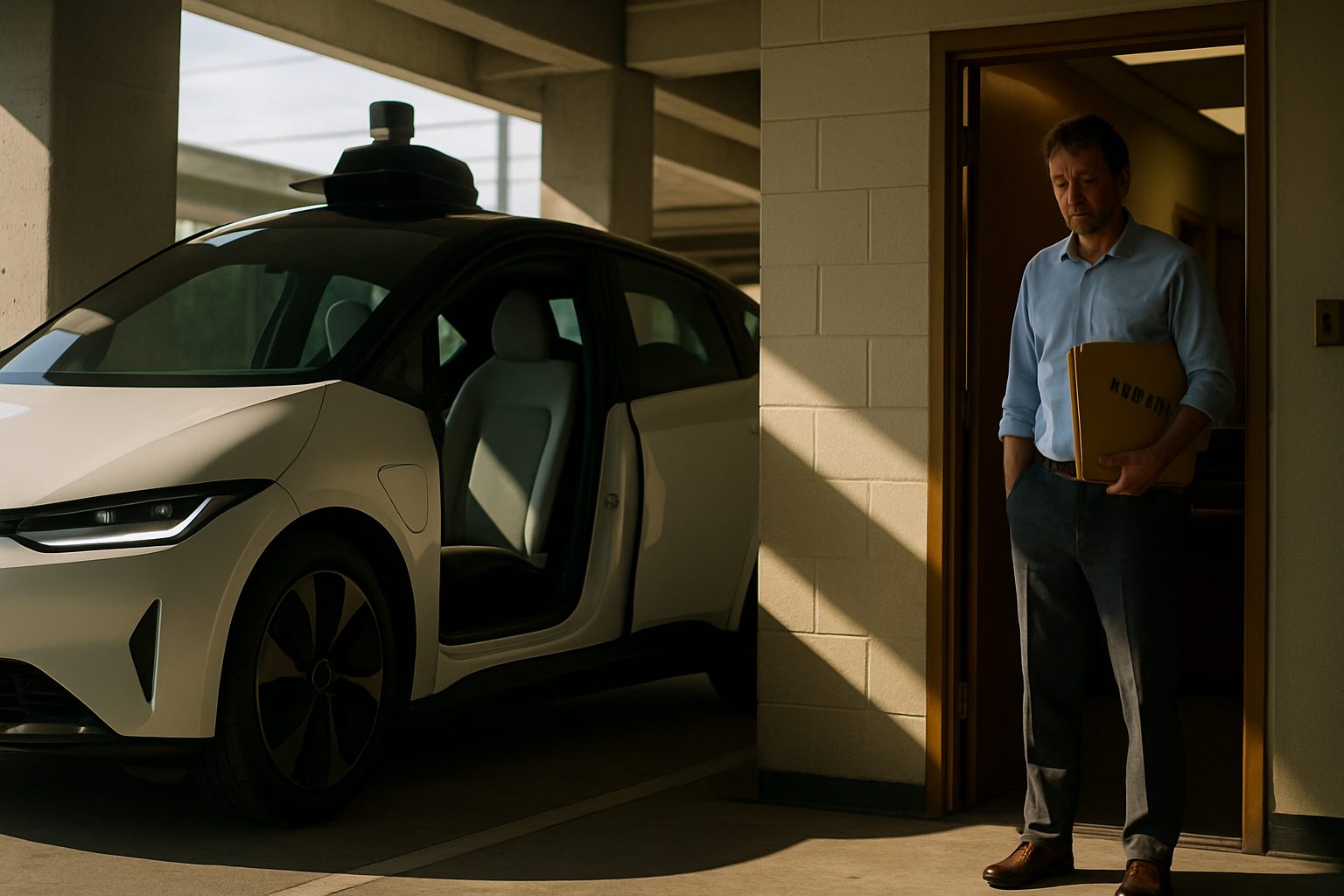
Tesla’s Cybercab rollout in Texas and Florida hit immediate headwinds when the National Highway Traffic Safety Administration launched a compliance investigation. The federal probe will examine whether the vehicle actually meets existing safety standards, directly challenging Tesla’s assertion that no exemption is needed.
This isn’t routine oversight. NHTSA explicitly established an exemption pathway—demonstrated by Amazon’s Zoox winning approval for 2,500 vehicles this summer. Tesla’s decision to bypass this process signals either confidence bordering on recklessness or a calculation that regulatory pressure won’t materialize quickly enough to matter operationally.
Background: The Players and Stakes
Tesla’s Position: The automaker has pivoted its corporate identity toward robotics and autonomous vehicles under Elon Musk’s direction. With 45 Cybercabs currently in Texas, the company targets millions of annual deployments. The vehicles eliminate steering wheels, brake pedals, and traditional controls—features older safety standards mandate.
NHTSA’s Framework: The agency doesn’t pre-approve vehicles; manufacturers self-certify compliance, then NHTSA audits through adversarial procedures. An “Audit Query” investigates how a company made its safety determination, not the vehicle itself initially. This distinction matters: Tesla must justify its methodology, not just its hardware.
The Exemption Precedent: Zoox’s win established that regulators expect novel vehicle architectures to request formal exemptions, which cap fleet size and impose oversight conditions. NHTSA Administrator Jonathan Morrison framed the investigation as necessary to ensure “all our laws are followed,” signaling frustration at Tesla’s circumvention.
Investment and Operational Implications
The probe creates three material risks for Tesla’s robotaxi ambitions. First, NHTSA can mandate vehicle redesigns or operational restrictions—expensive mid-deployment pivots. Second, civil penalties and third-party auditor oversight (precedent: Volvo’s $130M settlement) compound operational drag. Third, regulatory momentum toward stricter driverless standards could accelerate if Tesla faces enforcement action.
Scaling robotaxi fleets to “millions annually” requires predictable regulatory pathways. Tesla’s confrontational approach trades short-term deployment speed for long-term regulatory risk. A compliance finding could force retroactive modifications across existing vehicles.
The Broader Automation Landscape
Former NHTSA acting administrator Ann Carlson characterized Tesla’s move as “gobsmacking”—regulatory code for flagrant overreach. The investigation signals that federal agencies won’t tolerate industry players unilaterally reinterpreting compliance standards. This matters for other autonomous vehicle developers watching regulatory tolerance thresholds.
NHTSA is updating eight safety rules to accommodate driverless architectures, but legacy standards still apply. Tesla wagered it could operate under outdated rules designed for human-controlled vehicles. That calculation is now under federal scrutiny.
Next Steps and Timeline
Audit Queries typically require 30-60 days of manufacturer response. Outcomes range from compliance confirmation to design mandates or fleet restrictions. Tesla’s silence post-investigation announcement suggests either confidence or strategic patience—a familiar posture that’s now explicitly flagged as problematic to regulators.
The Cybercab’s regulatory friction is likely a preview. As autonomous fleets scale, expect more confrontations between corporate agility and regulatory process. The question is whether Tesla’s enforcement risk justifies accelerated deployment, or whether it signals a broader weakness in federal oversight of automated vehicle technology.
About the Author