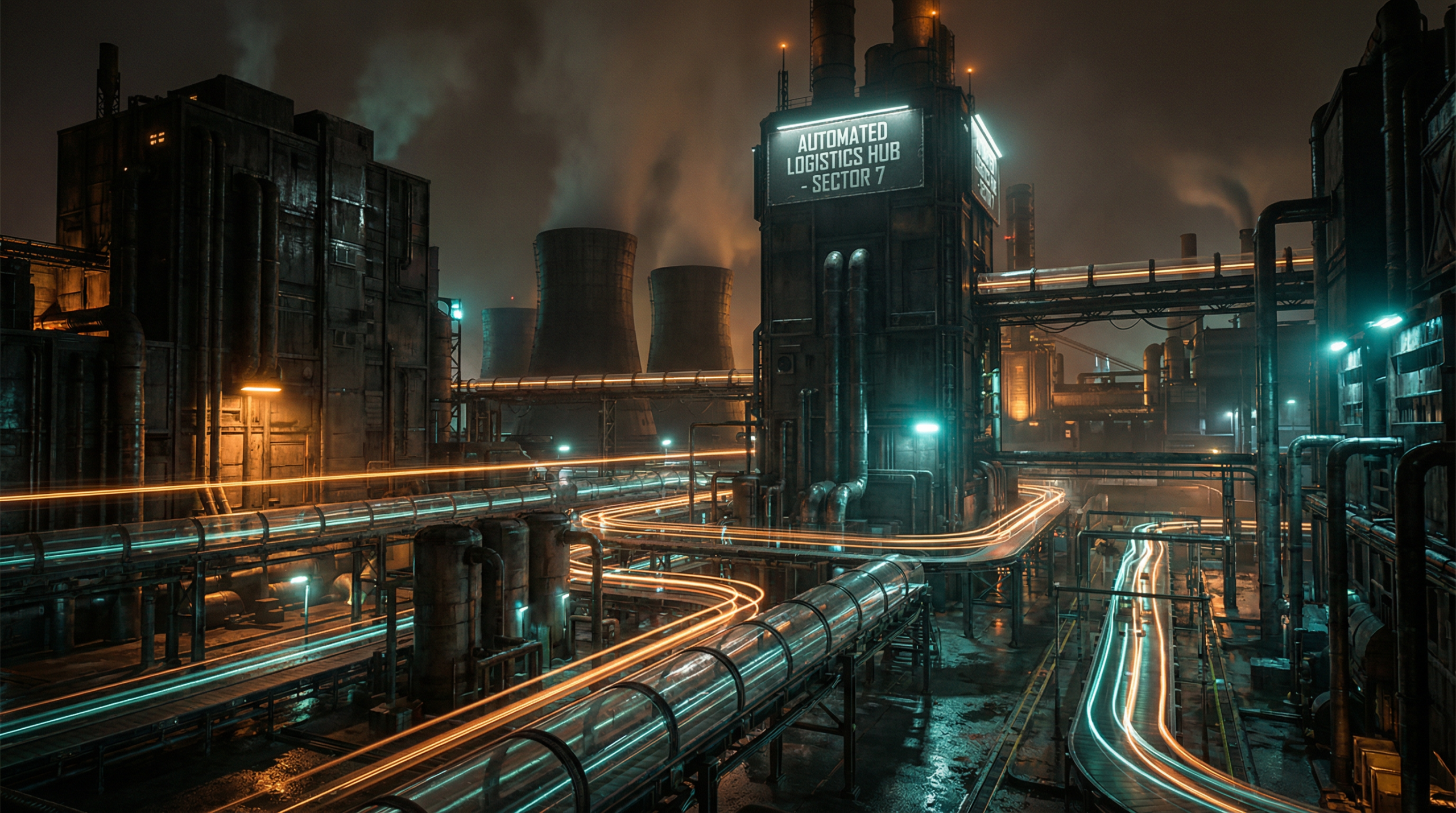
Tesla’s Optimus Gen 3 Mass Production: The Silicon Valley Playbook Meets the Factory Floor
TL;DR:
* Production Ramp: Tesla has officially confirmed the mass production ramp of Optimus Gen 3 at its Fremont factory, targeting a staggering 1 million units per year.
* Hardware Leap: The Gen 3 features a 22+ Degree of Freedom (DOF) hand system, allowing for human-level dexterity in complex assembly tasks.
* The “Macrohard” Integration: New software updates allow Optimus to read legacy screens and operate non-digital machinery, bridging the gap between modern AI and old-world manufacturing.
While the world was distracted by the latest AI software updates, Tesla quietly hit the “Go” button on what Elon Musk calls the “biggest product ever made.” In March 2026, Tesla confirmed that Optimus Gen 3 has entered full mass production at its Fremont facility. This isn’t a pilot program; it’s a full-scale industrial offensive. By integrating the same FSD (Full Self-Driving) computer that powers its cars, Tesla is betting that the humanoid form factor is the ultimate “general-purpose tool” for the global economy.
The Gen 3’s most significant upgrade is its hand system. With over 22 degrees of freedom, the robot can now perform tasks that were previously thought to be “human-only,” such as threading delicate wires or handling fragile glass. But the real “Trojan Horse” is the “Macrohard” project—a software layer that enables Optimus to perceive and interact with legacy industrial interfaces. Instead of needing to digitize an entire factory, companies can simply deploy an Optimus to operate existing, non-networked machinery, effectively “upgrading” old infrastructure with AI.
Tesla’s strategy mirrors its approach to the Model 3: simplify the hardware for manufacturability while scaling the software intelligence. By targeting 1 million units a year, Tesla is aiming to drive the cost of a humanoid robot below $20,000. If successful, this would make human labor in repetitive manufacturing tasks mathematically obsolete. The question is no longer whether robots can do the work, but how quickly global supply chains can absorb a million new “synthetic workers” every year.
Background: Tesla Robotics and the FSD Backbone
Tesla’s robotics division, originally announced as “Tesla Bot” in 2021, has moved at a pace that has blindsided traditional robotics companies. The project leverages Tesla’s existing expertise in battery technology, custom silicon (the Dojo and FSD chips), and large-scale manufacturing. Elon Musk has repeatedly stated that the long-term value of Tesla’s robotics business will eventually surpass its automotive business, positioning the company as the world’s leading “Real-World AI” powerhouse.
About the Author