Tesla Cybercab Launch Faces Regulatory Headwind While Waymo Dominates Scale
TL;DR
Tesla launched its first Cybercabs in Austin but immediately faced an NHTSA investigation over missing manual controls, while the company has deployed only 45 vehicles compared to Waymo’s operational scale. Wall Street’s muted response and the absence of CEO Elon Musk at the event signal skepticism about whether Tesla can transition from automaker to robotaxi operator.
The Regulatory Obstacle
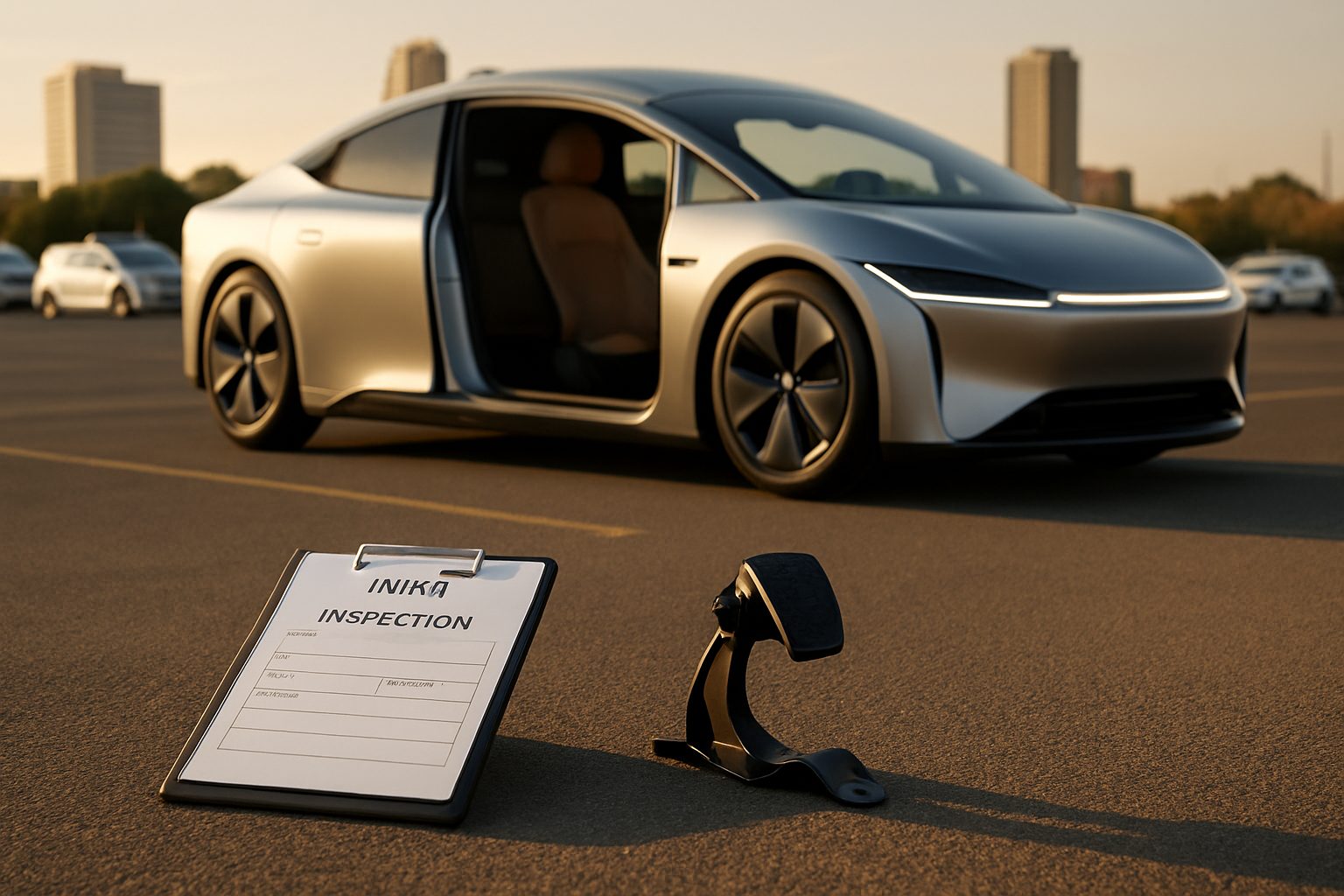
Hours after deploying its first steering wheel-free Cybercabs on Austin streets, Tesla triggered an NHTSA investigation into vehicles lacking manual brake pedals and controls. Federal regulations mandate these safety systems for human-driven vehicles, though the Department of Transportation recently proposed exemptions for fully autonomous platforms.
Tesla self-certified the Cybercab using standard automaker procedures, forcing regulators to intervene. Precedent exists for this regulatory response, and Tesla may continue operations during the investigation, but the timing undercuts the company’s carefully staged launch narrative.
Deployment Reality vs. Market Narrative
The gap between Tesla’s rhetoric and execution is stark. Only 45 Cybercabs are registered in Texas according to state automated vehicle tracking data. This minimal footprint dwarfs Waymo’s operational robotaxi network, which already serves multiple cities at scale.
The Austin event itself disappointed investors. Described as “unusually quiet” and lacking the festival atmosphere of previous Tesla launches, the showcase generated minimal Wall Street confidence. Notably, Elon Musk did not attend—a puzzling absence given his years of positioning robotics and AI as Tesla’s fundamental value proposition.
The Strategic Inflection Point
As TechCrunch’s Sean O’Kane framed it before the event: this represents Tesla’s fork in the road—either the moment the company transforms urban transportation or reveals itself as fundamentally constrained to automaking.
The real test isn’t demo quality but operational execution: can Tesla launch a robotaxi service safely and at meaningful scale? Current metrics suggest Tesla remains in early-stage deployment while competitors like Waymo operate mature services. The NHTSA investigation adds regulatory friction to an already challenging scaling timeline.
Background: Tesla’s Robotaxi Bet
Tesla has positioned autonomous driving as central to its future valuation and competitive moat. The company’s Full Self-Driving system has progressed from consumer beta to limited fleet deployment, culminating in the Cybercab—a purpose-built vehicle designed for autonomous-only operation with no manual controls.
The Cybercab’s design philosophy prioritizes autonomy-first engineering, eliminating redundant human-control systems entirely. This approach contrasts with competitors like Waymo, which deploy modified production vehicles (Jaguar electric platforms, Google Waymo vehicles) with fallback safety systems during earlier deployment phases.
Tesla’s self-certification strategy reflects confidence in its autonomous capabilities but also exposes the company to regulatory scrutiny. The NHTSA’s investigation, while not unprecedented, signals federal skepticism about Tesla’s approach to safety validation and compliance pathways.
The stark deployment numbers—45 vehicles in Texas versus Waymo’s multi-city, multi-thousand vehicle operations—highlight the distance between announcement and commercialization. Tesla’s historical ability to move fast and dominate narrative now faces concrete operational benchmarks.
Broader Industry Implications
Tesla’s stumble matters beyond the company itself. It validates Waymo’s incremental, safety-first deployment model and suggests that regulatory approval and operational scale require sustained, unglamorous execution rather than event-driven announcements.
For investors tracking AI and autonomous systems maturity, the Cybercab launch demonstrates that regulatory frameworks, not engineering prowess alone, determine commercialization timelines. NHTSA’s quick investigation also signals active oversight of autonomous vehicle claims—a headwind for any vendor prioritizing speed over compliance validation.
About the Author