Tesla and SpaceX Launch $16.8B Terafab Chip Factory in Texas
TL;DR: Tesla and SpaceX are committing $16.8B to build “Terafab,” a 100M+ sq ft chip factory in Texas designed to produce compute for robotics, autonomous vehicles, and space-based AI infrastructure. The project signals aggressive vertical integration into semiconductor manufacturing to secure supply chains for next-generation edge AI hardware.
Capital Commitment and Scale: What the Numbers Mean
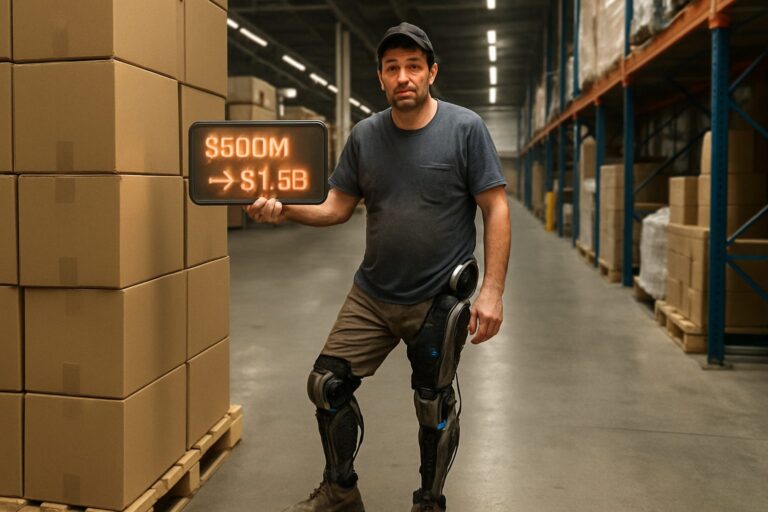
The $16.8 billion initial investment for Terafab represents a significant capital deployment, but it’s a floor, not a ceiling. SpaceX has indicated the full multi-phase project could reach $119 billion—a figure that dwarfs most standalone semiconductor capex programs globally.
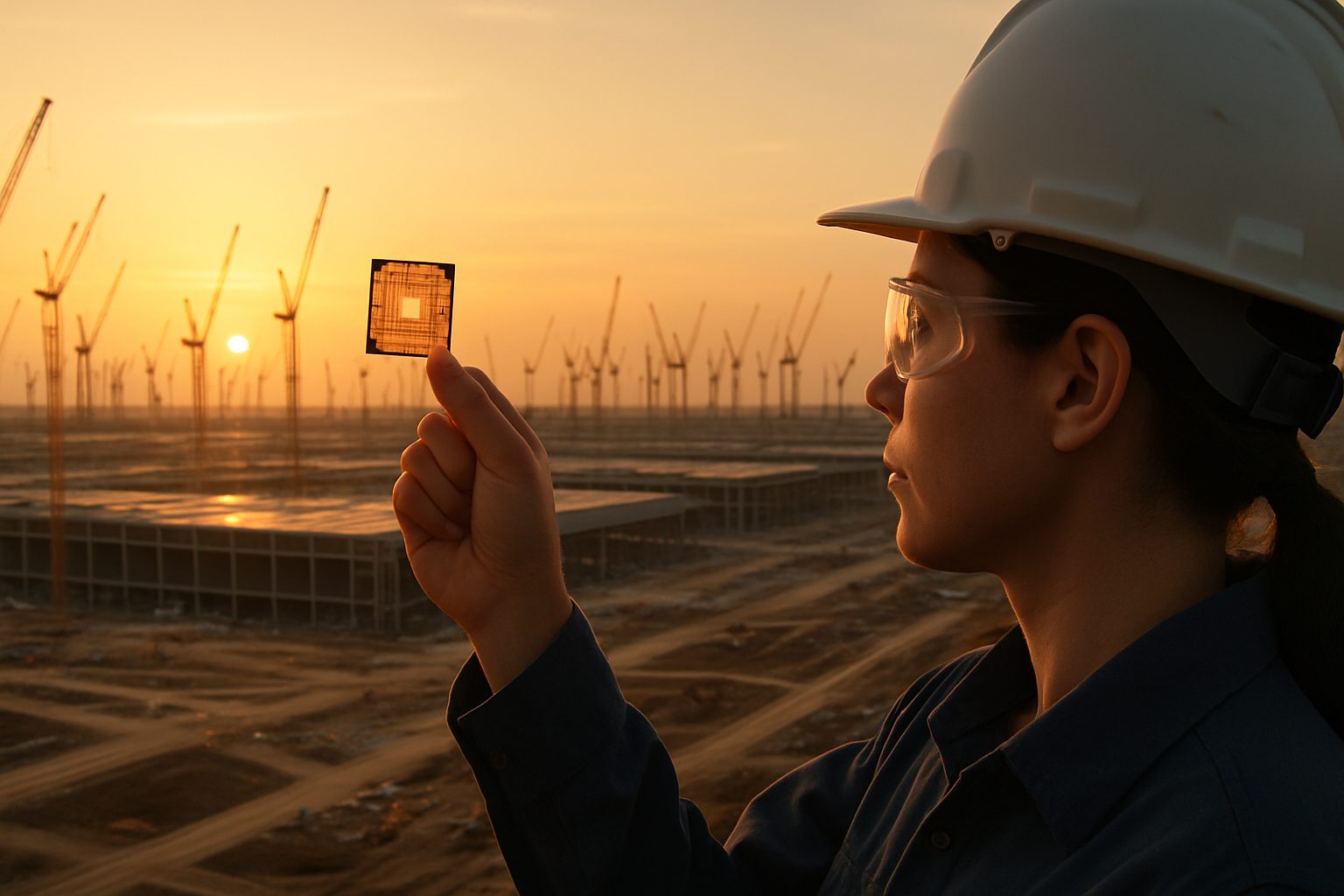
The facility will span more than 100 million square feet of manufacturing space in Grimes County, Texas, outside Houston. For context, that’s approximately equivalent to 17 Empire State Buildings by floor area. The scale proposition here is unambiguous: Musk’s ecosystem needs compute at volumes that no existing supplier can provide.
Strategic Rationale: Closing the Compute Gap
The underlying logic is straightforward. Musk’s stated vision—millions of Optimus robots, autonomous Cybercabs, and SpaceX’s space-based data centers for AI training—requires compute demand that current global production cannot satisfy. Terafab aims to bridge this gap through integrated manufacturing, packaging, and testing under one roof.
Vertical integration accelerates iteration cycles. By consolidating logic and memory device production, packaging, and testing on a single campus, Tesla and SpaceX can reduce latency between hardware improvements and deployment. The facility will optimize chips specifically for edge inference in robotics and autonomous systems, plus high-power compute for orbital data centers.
Semiconductor Supply Chain Consolidation
This move reflects a broader trend: tier-one AI/robotics companies bypassing traditional foundries to secure silicon supply. Intel has committed to contribute to the project, though specifics remain opaque. The partnership structure suggests Intel provides process node expertise while Tesla and SpaceX define product roadmaps and end-market requirements.
Vertical control over semiconductor design-to-deployment pipelines reduces procurement risk and competitive exposure. If Musk’s robotics timeline accelerates, Terafab gives Tesla internal knobs to tune rather than competing for TSMC or Samsung capacity.
Operational Footprint and Workforce
The facility will employ at least 3,000 workers across Grimes and Brazos counties, making it a significant regional employment anchor. The project received substantial tax incentives from local authorities, though county residents raised transparency concerns at a heavily-attended Wednesday meeting regarding the cost-to-community of those breaks.
Water sourcing will draw from the Gibbons Creek Reservoir rather than local groundwater, a notable detail given semiconductor manufacturing’s intensive water demands and regional scarcity concerns.
Background: The Companies and Context
Tesla manufactures electric vehicles and energy storage systems, with an expanding portfolio in autonomous driving hardware. The company has increasingly invested in in-house chip design, from custom AI accelerators to autonomous compute platforms. Tesla’s Optimus humanoid robot program represents a major long-term bet on robot-scaled silicon demand.
SpaceX operates a launch and satellite services business. The company’s Starshield and broader constellation initiatives support both communications and emerging data center applications. SpaceX’s need for on-orbit compute and edge processing mirrors Tesla’s robotics requirements—both demand specialized silicon unavailable through traditional channels.
Elon Musk serves as CEO of both entities and has publicly articulated a vision of near-term AI-driven robotics and autonomous systems scaling to millions of units. Musk announced Terafab as “the largest and most valuable building on Earth by far,” signaling strategic priority at the leadership level.
Intel’s involvement adds credibility to the technical roadmap. The company has pivoted toward foundry services and advanced node manufacturing, making it a natural technology partner despite competitive tensions with its core business.
Timeline and Phased Rollout
The $16.8B covers initial construction. The multi-phase architecture suggests staged capacity additions tied to demand validation—a prudent hedge against execution risk or market shifts.
No specific production timeline was disclosed, though semiconductor fabrication plants typically require 3-5 years from groundbreaking to volume output. Industrial operators should expect supply tightness in Tesla autonomous hardware and SpaceX compute applications through 2029-2030.
Investor Implications and Risk Factors
- Supply security: Tesla and SpaceX reduce foundry concentration risk; margins on internal chips may improve if Terafab achieves competitive yield and cost targets.
- Capital intensity: $119B potential full commitment is massive. Execution delays or underutilization create balance sheet drag.
- Technology risk: Advanced nodes (sub-7nm logic) in a new facility carry yield risk. Performance shortfalls could cascade across robotics and autonomous programs.
- Geopolitical: U.S.-based chip production insulates from export controls but increases energy and labor cost exposure versus TSMC or Samsung.
The Bottom Line
Terafab is not a traditional foundry play. It’s a dedicated supply engine for Musk’s robotics and autonomous ecosystem. The capital scale and vertical integration model suggest conviction in decade-scale demand for edge AI silicon. Operators in autonomous systems, robotics, and space infrastructure should monitor Terafab’s progress closely—it may become a de facto standard platform for next-generation hardware, or a cautionary tale in semiconductor capex discipline.
About the Author