TL;DR: Tesla’s Optimus humanoid robot production faces critical bottlenecks in hand assembly and AI capability, while workforce resistance to training replacement robots threatens scaling targets of 1,000+ units weekly by end-2026.
The Core Problem: Manufacturing and Labor Friction Threaten Tesla’s Robot Timeline
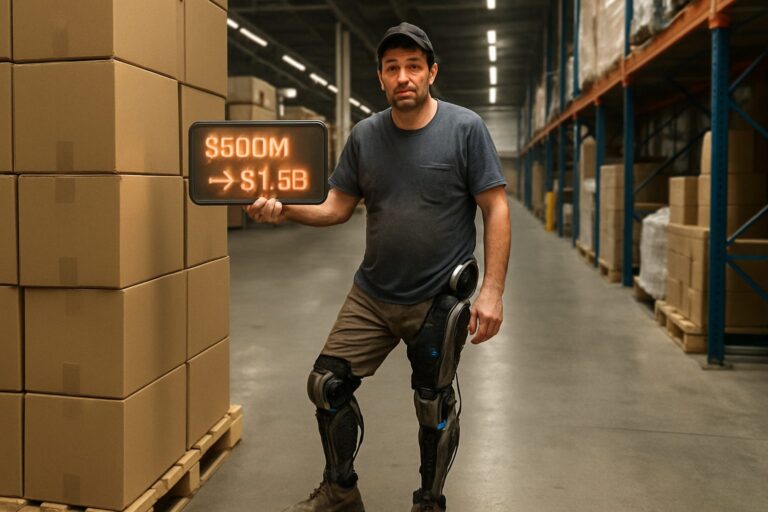
Tesla’s strategic bet on humanoid robots as its primary growth driver is colliding with manufacturing reality. The company has already repurposed its Fremont factory—halting Model S and Model X production in May 2026—to focus entirely on Optimus V3 development, yet production remains bottlenecked at hundreds of units per week against a stated target of 1,000+ by year-end.
The operational friction extends beyond engineering. Workers tasked with training Optimus robots are actively resisting participation in data collection, recognizing they’re enabling their own displacement. This dynamic forces Tesla to redirect training responsibilities away from factory floor workers, introducing both cost and data quality variables into the critical imitation learning pipeline.
Why This Matters for Investors and Operators
Tesla’s entire equity thesis pivots on Optimus commercialization. Any delay compounds—the company has zero revenue from robotics while consuming manufacturing capacity previously generating automotive gross margins of 20%+. Hardware reliability issues (faulty touch sensors, 100+ component hand assemblies requiring manual fixes) suggest Tesla is shipping immature products under production pressure rather than solving core engineering problems.
Technical Barriers: Hardware Complexity Outpacing Manufacturing Capability
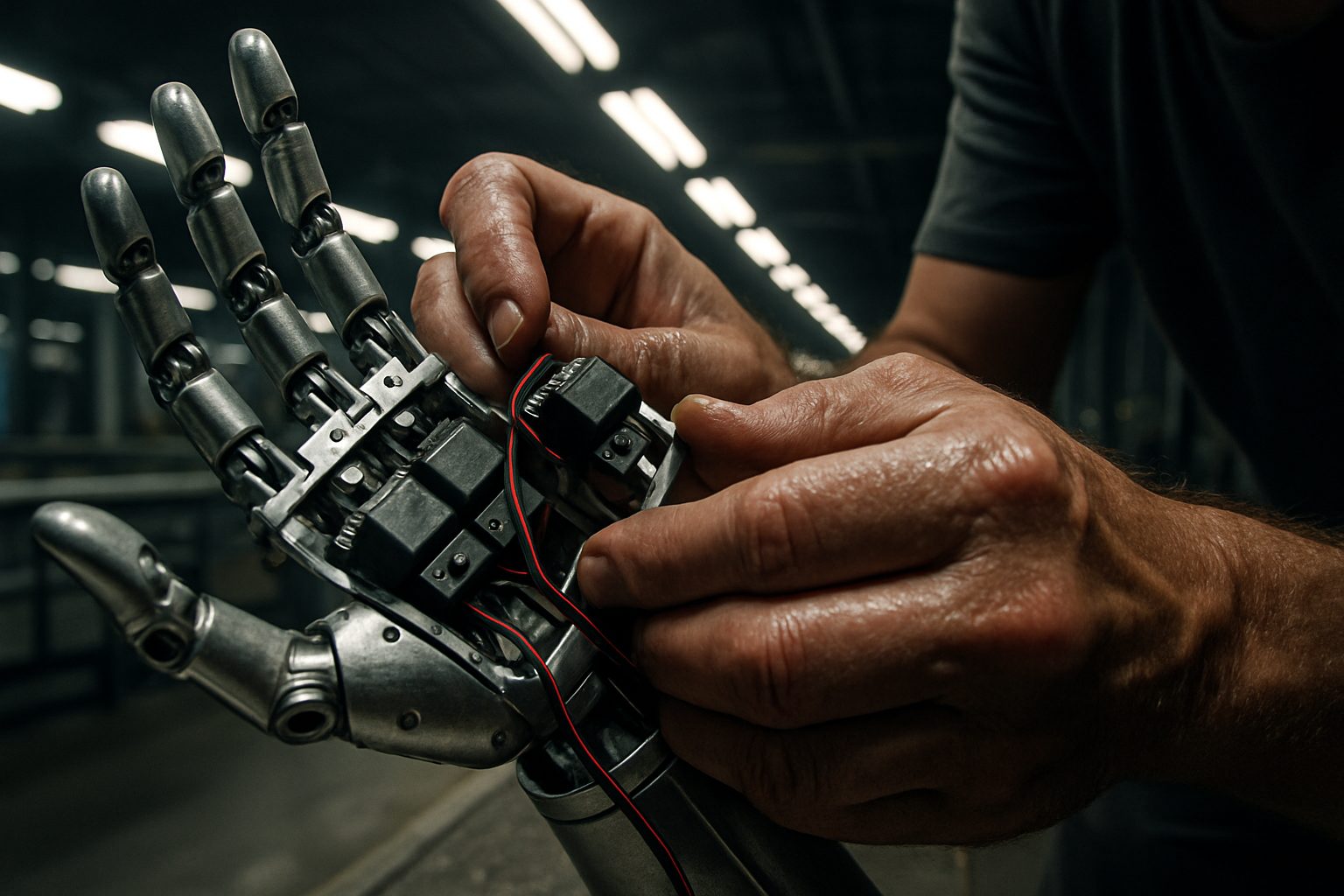
Robotic hand dexterity remains the primary technical constraint. Optimus hands contain over 100 discrete components requiring manual assembly, creating immediate defects that mandate field repairs. Tesla’s response—developing replaceable sensor gloves—amounts to engineering around the core problem rather than solving it.
Precision alignment failures on production equipment and speed limitations demonstrate that Tesla’s manufacturing process itself cannot yet sustain targeted throughput. These aren’t software issues; they’re fundamental production engineering failures common when scaling prototype designs without adequate process development.
The AI Gap: General-Purpose Robots Remain Task-Specific
Despite marketing Optimus as general-purpose, current robots require explicit programming for controlled environments—they’re essentially sophisticated pick-and-place systems with better articulation. The critical missing piece is reliable imitation learning at scale.
Training data collection, the foundation of modern robotics AI, now depends on dedicated teams wearing motion-capture suits after frontline workers refused participation. This introduces overhead, potential data bias, and slower iteration cycles compared to organic production-line data generation.
Workforce Dynamics: The Training Paradox
Tesla initially attempted to leverage existing factory workers for motion-capture training—a logical cost optimization. This immediately surfaced the moral hazard problem: workers explicitly understood they were training systems designed to replace them.
The company’s pivot to dedicated training teams addresses morale but introduces inefficiency. These teams lack production floor intuition; data quality likely suffers. Scaling imitation learning now requires either cultural acceptance of robotics displacement (unlikely in current labor environment) or acceptance of suboptimal training datasets.
Competitive Context and Market Positioning
Tesla faces intensifying competition from Boston Dynamics, Figure AI, Sanctuary AI, and established industrial automation firms. Ars Technica’s reporting from The Information suggests Tesla’s hardware and manufacturing maturity aren’t decisively ahead despite first-mover advantages in AI infrastructure.
The question isn’t whether humanoid robots eventually achieve commercial viability—they will. It’s whether Tesla reaches profitability before competitors with deeper robotics pedigree (Boston Dynamics with Hyundai’s backing, Figure AI with OpenAI integration) compress the timeline.
What Happens Next: Timeline Slippage Is Likely
Expect revised production guidance within quarterly earnings. The 1,000 units/week target was always promotional—current evidence suggests 2,000+ units/week is the actual scaling requirement to justify factory repurposing. That’s 24+ months away, minimum, given current defect rates.
Tesla will likely announce manufacturing partnerships (outsourced hand assembly, subcontracted components) or pivot toward a “foundry model” where Optimus units are customized per customer rather than mass-produced. Both scenarios dilute margin assumptions embedded in growth projections.
Short-term catalyst: Optimus revenue disclosure will reveal actual unit economics and production costs, currently undisclosed. If per-unit margins fall below 30%, the business model collapses relative to automotive precedent. If they require $30k+ labor content per unit before AI licensing, the addressable market contracts sharply.
About the Author