TL;DR: Tesla secured $30 billion in committed credit facilities to fund scaling of Cybercab, Optimus, and Semi production. The company plans no draws this year despite $25B+ capex spending, signaling confidence in operational cash generation.
Tesla Locks $30B Credit to Fund Autonomous Future
Tesla has arranged $30 billion in new credit lines across three facilities with Citibank and Wells Fargo, establishing a financial runway for its next-generation product launches. The financing structure—a $20 billion three-year delayed-draw term loan from Citibank plus $10 billion in Wells Fargo revolving credit—provides flexibility without immediate balance sheet impact.
The strategic timing matters: Tesla projects at least $25 billion in capital expenditures for 2026 while maintaining north of $40 billion in cash and investments. By securing undrawn credit lines, the company preserves liquidity optionality while demonstrating lender confidence to equity investors.
Three Bets Driving Capital Intensity
Each product tier requires dedicated manufacturing infrastructure. The Cybercab robotaxi, Optimus humanoid robot, and Tesla Semi each demand separate production facilities—a capex approach that justifies the $30B cushion.
- Cybercab: Autonomous vehicle for ride-hailing with no steering wheel
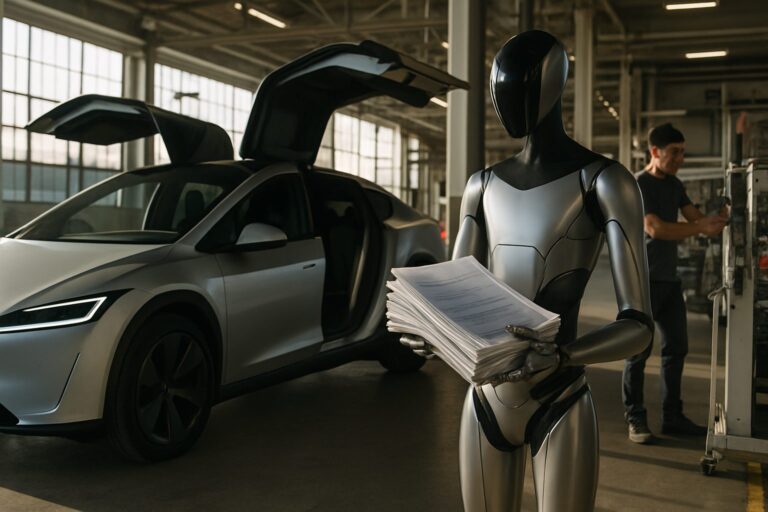
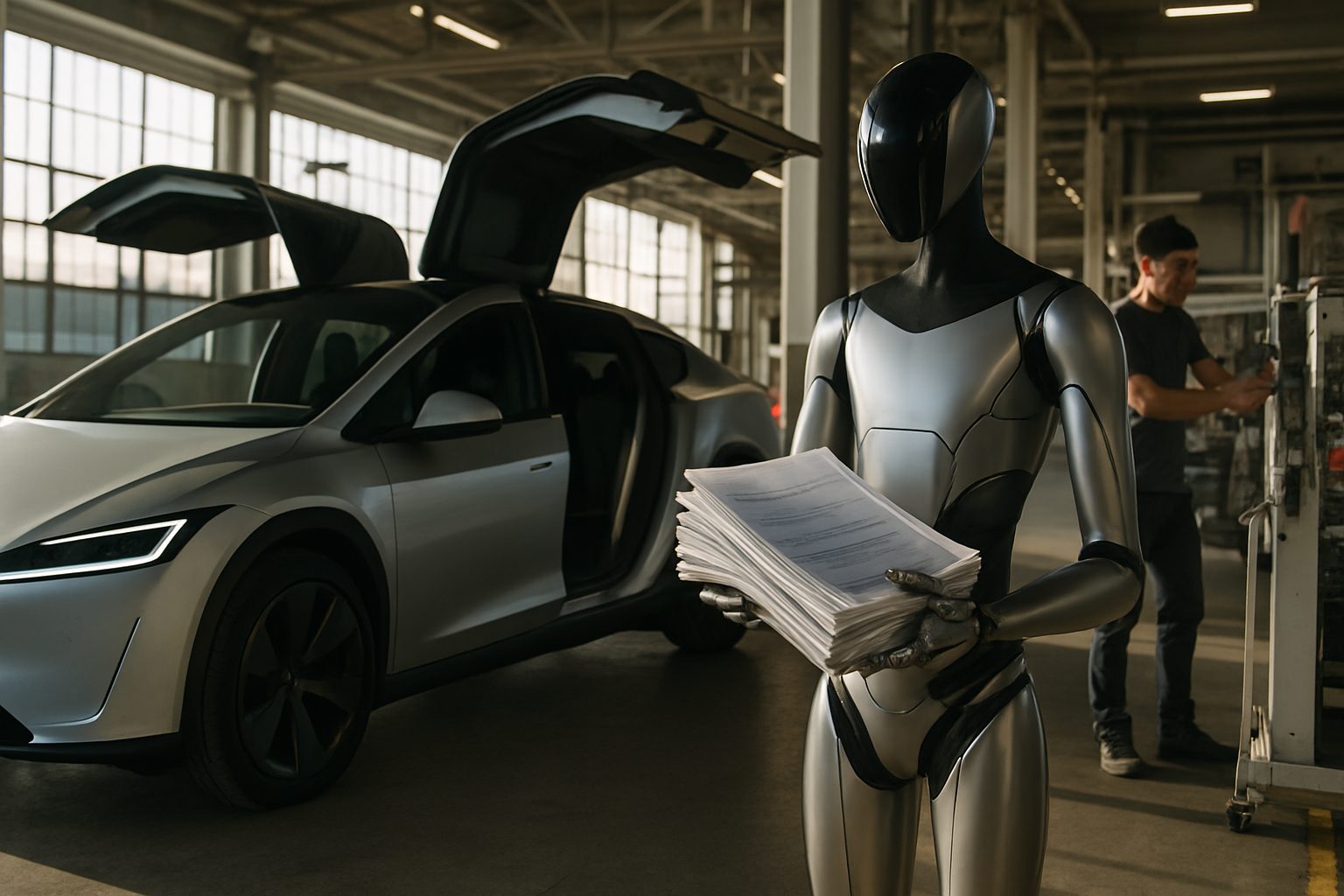
- Optimus: General-purpose humanoid for manufacturing and service work
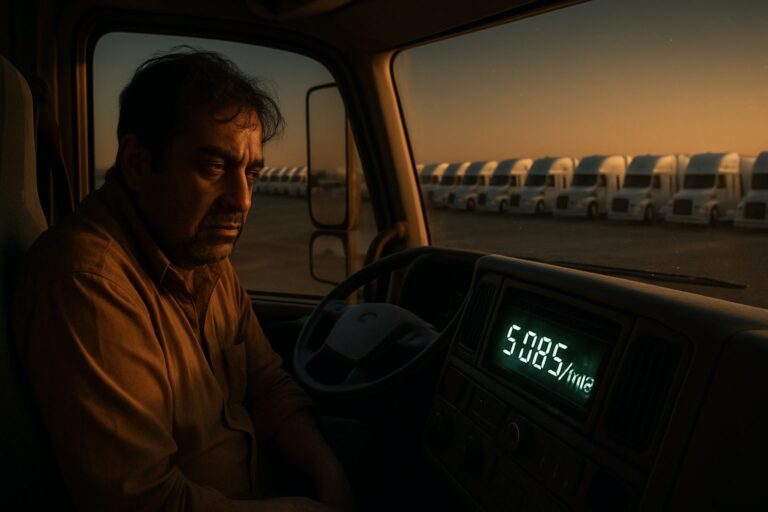
- Tesla Semi: Electric heavy-duty truck for logistics
Tesla’s refusal to draw on these facilities this year signals management expects positive operating cash flow to cover near-term capex. This contrasts with the typical high-growth manufacturer playbook of maxing available credit.
What This Signals to Investors
The credit arrangement isn’t a distress measure—Tesla already carries only $9 billion in total debt against $40B+ in liquid assets. Instead, it’s a precautionary war chest for the 2027-2028 production ramp when Cybercab and Optimus manufacturing scale aggressively.
Lenders typically demand detailed unit economics and production timelines before committing $30B to any manufacturer. That Citibank and Wells Fargo signed on suggests Tesla provided credible acceleration plans, though public filings remain opaque on volumes and profitability targets.
Capital Discipline in Autonomous Manufacturing
Tesla’s delayed-draw structure is operationally smart: the company avoids interest drag on idle capital while maintaining draw rights if production ramps faster than cash generation. The $20B three-year facility covers the critical 2026-2028 window when Cybercab and Optimus move from pilot to volume.
The Wells Fargo revolving facilities ($8B five-year, $2B one-year) handle working capital swings during production transitions—typical for manufacturers scaling multiple SKUs simultaneously.
Manufacturing and Supply Chain Implications
Dedicated factories for each product suggest Tesla views robotaxi, humanoid, and trucking as distinct market segments requiring separate supply chains and labor pools. This increases capex but reduces production interference between programs.
The $25B+ capex burn already committed for 2026 implies construction and equipment orders are largely locked. The $30B credit backstop covers contingencies: supply disruptions, tooling rework, or faster-than-planned scaling.
Background: Tesla’s Autonomous Ambitions
Tesla designs and manufactures electric vehicles and energy storage systems globally. Under CEO Elon Musk, the company has pivoted from pure vehicle production toward autonomous robotics and ride-hailing, positioning Cybercab and Optimus as higher-margin, lower-competition businesses than traditional EV sales.
The Cybercab represents Tesla’s entry into autonomous ride-hailing without safety drivers. Unlike Waymo’s robotaxis operating in limited geographies, Tesla plans rapid geographic expansion leveraging its existing Supercharger network and Tesla app infrastructure.
Optimus, the humanoid robot, targets manufacturing and service labor replacements. Early prototypes perform warehouse tasks; scaling to consumer and industrial deployments requires solving cost, reliability, and safety certification challenges that autonomous vehicles face.
The Tesla Semi electrifies heavy trucking, a market where incumbent manufacturers (Daimler, Volvo, Paccar) dominate. Tesla’s manufacturing approach—dedicated factories for each platform—differs from traditional OEMs that leverage shared production lines.
Citibank and Wells Fargo are long-time Tesla lenders. This 2026 refinancing reflects improving Tesla credit metrics (declining leverage ratio) and strengthened relationships after Tesla’s 2020-2023 expansion phase. The staggered maturity (364 days to five years) distributes refinancing risk across the critical launch window.
About the Author