Robotaxi Scaling Creates Blind Spot in Worker Safety Data
TL;DR: Over 24 test driver injuries from hard braking incidents at Waymo and Zoox in 2024-2025 signal systematic safety gaps as autonomous vehicle fleets scale. Ongoing incidents through July 2026 suggest the problem persists despite claimed regulatory compliance.
The Operational Risk Nobody’s Pricing In
Investor enthusiasm for autonomous vehicle profitability overlooks a mounting liability: test driver injuries indicate the autonomous software itself isn’t reliably safe. When the humans responsible for validation are getting hurt at scale, that’s not a feature of testing—it’s a red flag about production readiness.
Insurance underwriters should be watching this data closely. Worker compensation claims and potential litigation create drag on unit economics that most AV funding models don’t account for.
The Players and the Problem
Waymo’s Scaled Expansion
Waymo reported 16 injuries through Transdev, the contractor managing its test driver workforce across three cities. The company scaled from testing to commercial operations rapidly: its fleet grew from 1,500 vehicles in May 2025 to over 3,500 by the time of reporting. This expansion into new geographies meant exponentially more testing miles and validation cycles.
Zoox’s Persistent Braking Issues
Zoox reported up to 8 worker injuries linked to hard braking in the same period. More troubling: contractors anonymously reported continued hard-braking incidents through July 2026, with ongoing worker injuries. The company operates modified Toyota Highlander SUVs equipped with its autonomous system.
OSHA Data Capture and Gaps
Both companies appear in OSHA injury reports because they classify as “higher-hazard” taxi/transit services. However, the dataset only captures establishments with 100+ employees in these sectors, meaning smaller operations in nascent markets likely have unreported injuries. TechCrunch couldn’t access 2026 data since OSHA requires submission in the following year.
Why This Matters: The Safety Validation Paradox
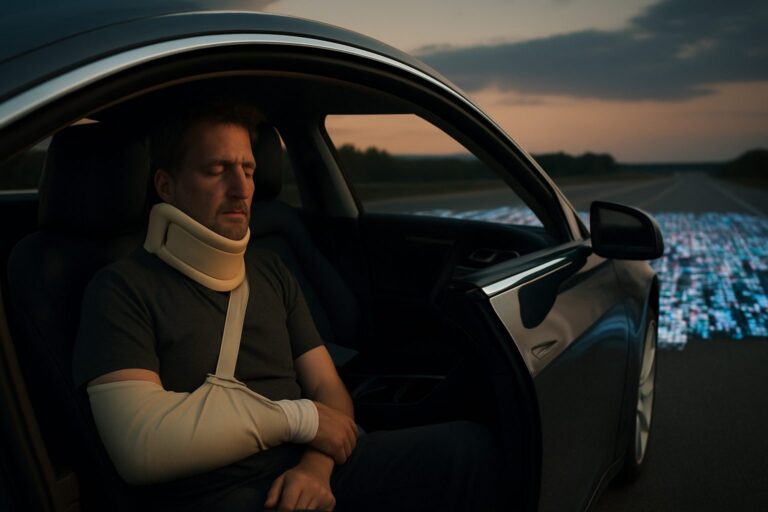
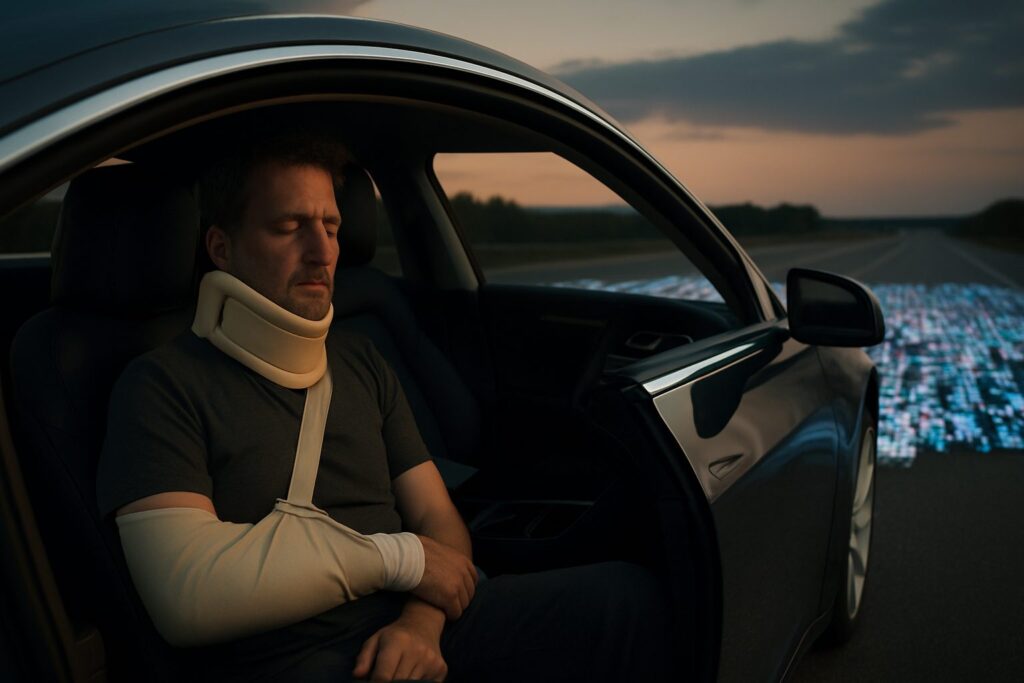
Test drivers absorb the risk of validating autonomous systems in the real world. The injuries reported—sprains, strains, whiplash—aren’t anomalies; they’re systematic indicators that the vehicles’ decision-making algorithms are producing sudden, high-G maneuvers that human occupants aren’t prepared for.
Hard braking and sudden swerves are inevitable in urban driving, but the frequency and intensity at which they’re occurring in autonomous test fleets suggests one of two problems:
- The AI isn’t predicting hazards early enough to brake smoothly
- The braking response is over-correcting beyond what human reflexes can tolerate
Both scenarios indicate incomplete validation before commercial scaling.
The Corporate Response: Deflection
Waymo stated safety is “paramount” and cited tens of millions of validation miles—a metric that says nothing about injury severity or frequency. Zoox claimed hard braking is “sometimes unavoidable” and that injuries represent a “small percentage” of miles traveled. Neither company answered specific questions about incidents or corrective actions.
This non-responsiveness is telling. If the braking behavior were anomalous or already corrected, denial would be riskier than transparency. The silence suggests ongoing tuning efforts.
The Data Transparency Problem
OSHA’s reporting structure creates a two-tier visibility problem. Only companies large enough to have 100+ employees in covered industries appear in public datasets. Meaning:
- Newer AV testing operations with smaller teams fly under reporting thresholds
- Injury data lags by a full fiscal year
- Companies can’t compare safety performance across competitors
No independent auditor currently tracks cumulative injury trends across the entire autonomous vehicle testing ecosystem.
What Investors Should Demand
Real-time injury reporting. If a company claims its system is safe enough for passengers, it should be safe enough for test drivers. Injuries indicate validation gaps. Demand quarterly disclosure.
Braking-specific metrics. How often do hard-braking events exceed 0.5G? What’s the trend? Are they declining with software updates? These data points matter more than “millions of miles.”
Accident causation analysis. Was the hard braking because the AI detected a genuine hazard, or because it misread the environment? This determines whether injuries indicate technical immaturity or acceptable operational variance.
Worker classification audit. Ensure all test drivers are properly classified and covered. Misclassification to avoid OSHA reporting is a compliance landmine that will surface in litigation.
The Bottom Line
Scaling autonomous vehicle fleets before solving the hard-braking problem shifts risk from engineers to workers. The 24+ documented injuries are the visible portion of a validation process that may not yet be complete. Until companies disclose—voluntarily or through regulatory pressure—the underlying causes of these incidents, investors should treat reported injury rates as leading indicators of product immaturity, not operational growing pains.
The companies know this. That’s why they’re not talking about it.