TL;DR: Apple discontinued the $599 Mac Mini due to high AI-driven memory demand, increasing the base price to $799.
Background
Apple, founded by Steve Jobs, Steve Wozniak, and Ronald Wayne, is a global technology leader known for its innovative hardware, software, and services. The company has consistently pushed boundaries in personal computing, mobile technology, and digital media.
The broader tech industry is currently experiencing an AI supercycle, characterized by massive investments in generative AI infrastructure and a global shortage of high-bandwidth memory chips. This surge in demand impacts hardware pricing and availability across various sectors.
The $799 AI Tax on Consumer Hardware
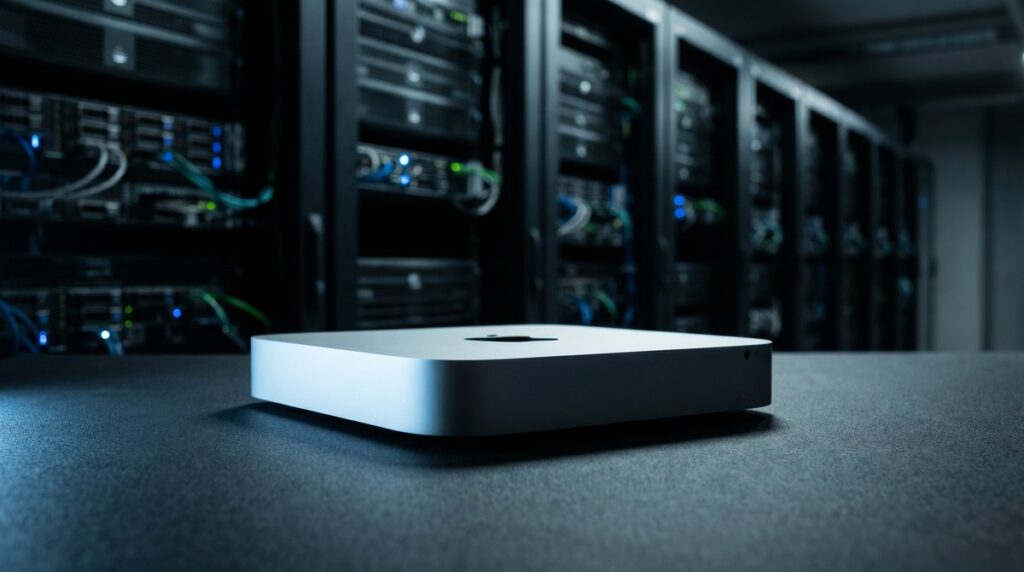
Apple has removed the 256GB storage configuration for its M4 Mac mini worldwide, effectively raising the entry price of its most affordable desktop from $599 to $799. The new base model now includes 512GB of storage, but the cheaper tier is gone entirely after selling out across most retail channels.
The price hike is a direct consequence of the artificial intelligence supercycle. During Apple’s latest earnings call, CEO Tim Cook admitted the company “under-called the demand” for Mac minis and Mac Studios, noting that consumers and enterprise users are snapping up the machines specifically to run local AI models and agentic tools.
This localized AI boom requires massive amounts of RAM. Apple’s sudden hardware constraints are tied to a severe global memory chip shortage, driven by hyperscalers building out massive AI server facilities. With Cook warning of “significantly higher memory costs” in the current quarter, the $599 Mac mini simply became economically unviable to produce at scale.
The Enterprise Squeeze on Consumer Pricing
The shortage is not just about individual developers running OpenClaw or local LLMs. Enterprise demand is fundamentally altering the Mac’s market positioning. Apple highlighted that companies like Perplexity are now deploying Macs as their preferred platform for building enterprise-grade AI assistants.
When enterprise budgets compete for the same entry-level hardware as students and budget-conscious consumers, prices inevitably rise. Apple’s decision to cut the 256GB Mac mini follows a similar move in March, when it stopped offering the Mac Studio with 512GB of RAM. The era of cheap, entry-level Apple Silicon may be ending, as the hidden costs of the AI revolution are finally passed down to the consumer desktop.