Tesla’s Vegas Robotaxi Reality Check: 10 Permits, Not 5,000
TL;DR: Nevada regulators approved just 10 Tesla robotaxis for Las Vegas instead of the requested 5,000, capped speeds at 45mph, banned airport pickups, and mandated human supervision—signaling regulatory skepticism of autonomous vehicle scale deployments in high-traffic tourist zones.
The Permit Gap: What Tesla Actually Got
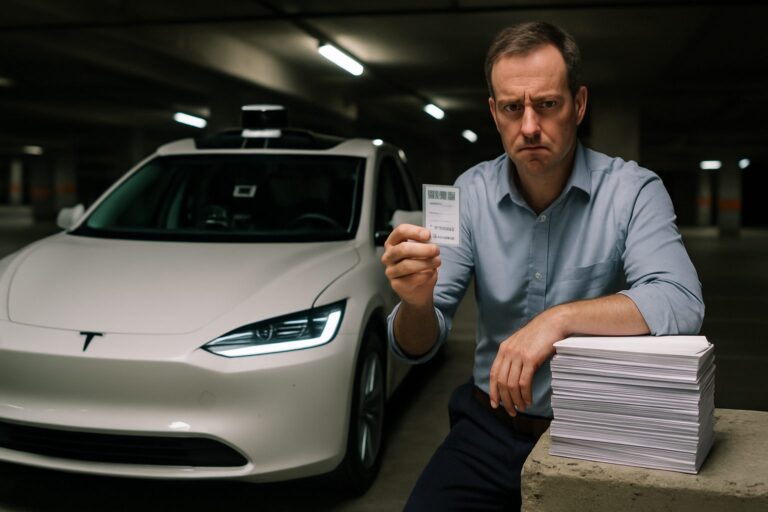
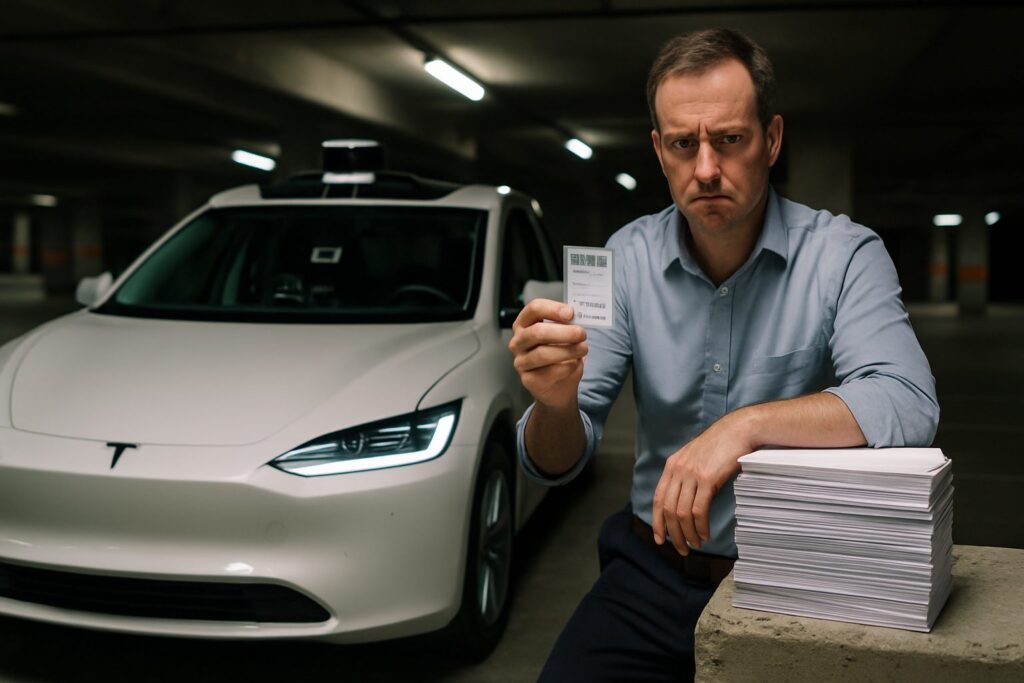
Tesla filed for 5,000 robotaxi permits in Las Vegas in June. The Nevada Transportation Authority (NTA) responded with 10 vehicles maximum—a 99.8% rejection rate that exposes the chasm between autonomous vehicle ambitions and regulatory tolerance.
The approval comes with operational handcuffs: restricted to a Strip corridor, 45mph speed cap, and mandatory human supervision per SAE standards. Most restrictively, airport pickups are prohibited unless the airport operator and “all required governmental approvals” greenlight the routes.
Why This Matters for AV Operators
This isn’t minor friction—it’s a template for how established jurisdictions will handle robotaxi scaling. Las Vegas generates $24 million daily in casino gaming revenue and hosted 38.5 million visitors in 2025. Regulators clearly view high-traffic, high-stakes markets differently from tech-friendly Austin.
Tesla has operated driverless vehicles in Austin since January without in-vehicle monitors. Nevada’s explicit supervision requirement signals that regulatory confidence doesn’t transfer across borders, even for proven operators.
The Airport Ban Cuts Revenue Access
Prohibiting airport pickups eliminates the highest-value route for robotaxis—connecting tourists directly from Harry Reid International to casinos. This restriction alone reduces addressable market by an estimated 30-40% in a visitor-dependent city.
Background: Tesla’s Autonomous Ambitions vs. Regulatory Reality
Tesla’s Robotaxi Strategy. Elon Musk’s company has aggressively pursued autonomous vehicle deployment across U.S. cities. Unlike competitors Zoox (Amazon-owned) and Motional (acquired by Hyundai), Tesla manufactures its own vehicles and controls the full software stack, aiming for rapid fleet deployment and vertical integration economics.
Nevada’s Regulatory Posture. The state has positioned itself as autonomous-friendly compared to California, yet the Las Vegas approval reveals nuance: permissive infrastructure doesn’t mean permissive scaling. The NTA distinguished between allowing robotaxis and enabling mass deployment in concentrated commercial zones.
Clark County’s Uncomfortable Position. The county doesn’t issue AV permits but manages operational fallout through fire, licensing, and airport departments. A county spokesperson told Fortune the arrangement leaves them “directly impacted” without formal rulemaking authority—a regulatory blind spot affecting emergency response, liability, and traffic management.
Tesla’s Vegas Infrastructure Play. The company is investing $3.1 million retrofitting a 37,000-square-foot facility in southwest Las Vegas and hiring local robotaxi personnel, suggesting confidence in long-term operations despite the permit constraints.
What the Data Says About AV Deployment Reality
- 10 vehicles vs. 5,000 requested = regulatory guardrails, not gates
- 45mph cap vs. Vegas Strip typical 35-45mph ambient speeds = minimal upside over human drivers
- Airport exclusion removes ~$300K+ annual revenue per vehicle in a high-traffic corridor
- Human supervision mandate conflicts with Tesla’s driverless unit economics narrative
The Broader Investment Implication
This decision signals that regulatory approval doesn’t scale linearly with application size. Investors betting on rapid AV fleet expansion should expect fragmentary approval patterns: jurisdiction-specific caps, operational constraints, and revenue-limiting restrictions that compound across markets.
For Tesla shareholders, the Vegas outcome suggests Robotaxi profitability timelines extend beyond current guidance. For competitors like Waymo and Motional, it suggests selective market focus beats blanket application strategies.
Read the full Fortune report on Tesla’s Las Vegas robotaxi permit approval.