TL;DR: Waymo launched its cheaper, next-gen Ojai robotaxi across Los Angeles, Phoenix, and San Francisco, with 5,000 units expected by year-end. The Zeekr-based minivan paired with Waymo’s sixth-gen autonomous system signals the company’s shift toward profitable scale, though Chinese tariffs remain a cost headwind.
Waymo’s Path to Profitable Robotaxi Operations
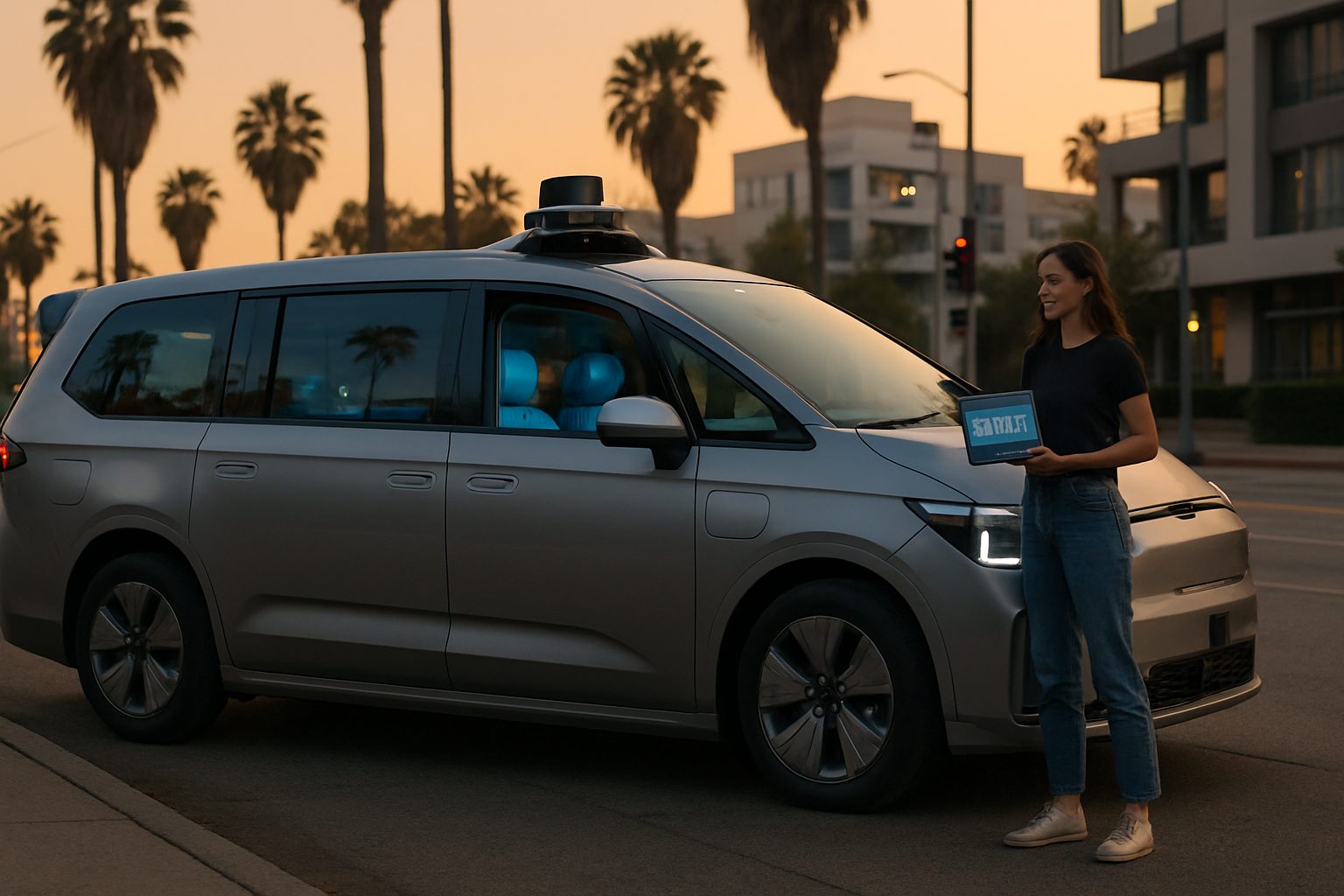
Waymo’s introduction of the Ojai robotaxi represents a critical inflection point for autonomous vehicle economics. After years relying on modified Jaguar I-Pace hatchbacks, the company is deploying a purpose-built platform designed for durability, maintenance efficiency, and unit cost reduction. This transition directly addresses the industry’s central challenge: achieving profitability at scale.
The operational implications are substantial. Waymo projects 5,000 Ojai deployments by end-2026—more than double its current Jaguar fleet. Initial rollout covers Los Angeles, Phoenix, and San Francisco, with Denver, Las Vegas, and San Diego to follow. Customers currently receive random matching between vehicle types, but preference selection will become available once fleet density improves.
The Zeekr Partnership and Manufacturing Economics
The Ojai is a Zeekr minivan built on the company’s SEA-M platform, an architecture developed specifically for robotaxi and delivery applications. Zeekr, owned by China’s Geely Holding Group, designed the vehicle to balance passenger comfort with operational durability under near-constant commercial use.
Manufacturing efficiency drives cost reduction, but U.S. tariffs on Chinese-built vehicles create a structural headwind. Base Zeekr vehicles arrive in the country without autonomous hardware, then move to Waymo’s Arizona factory for self-driving system integration. This manufacturing split attempts to circumvent tariff exposure while maintaining supply chain control.
Sixth-Generation Self-Driving Architecture
The Ojai pairs with Waymo’s sixth-generation autonomous driving system, a modular stack designed for deployment across multiple vehicle types. This modularity is critical—it decouples software development from hardware specifics, enabling faster iteration and easier fleet heterogeneity.
In-cabin experience upgrades include a redesigned user interface and integration of Google’s Gemini AI as an in-car assistant. These features target rider experience while generating potential data advantages for Waymo’s perception and planning models.
Deployment Velocity and Market Expansion
MoffettNathanson tracking data shows 725 Ojai vehicles entered the U.S. in July 2026 alone, indicating accelerating import velocity. This pace supports the 5,000-unit year-end projection and suggests Waymo is front-loading production ahead of potential tariff policy changes.
Three additional markets—Denver, Las Vegas, San Diego—receive Ojai deployments in H2 2026. This represents geographic diversification beyond Waymo’s existing 11-city footprint, testing operational performance across different urban densities and driving conditions.
Background: Waymo’s Competitive Position
Waymo remains the autonomous vehicle industry’s most operationally mature player, with the longest continuous commercial robotaxi service record. Alphabet-backed funding and access to Google’s computational resources provide advantages competitors struggle to match. The company’s 2023-2024 period saw regulatory wins in California and Arizona, enabling geographic expansion.
Zeekr emerged from Geely’s EV initiative as a volume-oriented EV maker targeting China’s domestic market. The Geely relationship provided Waymo access to an established automotive manufacturing footprint, accelerating vehicle development. The SEA-M platform represents Zeekr’s bet that robotaxi/autonomous fleet vehicles will become a major revenue stream as privately owned EV sales mature.
Competitive dynamics shifted in 2024-2026 as Tesla invested heavily in autonomous technology, positioning FSD for potential robotaxi deployment. Cruise’s 2023 setback created a vacuum Waymo filled, but timeline pressure remains intense. Traditional OEMs (GM, Ford, Hyundai) pursued autonomous partnerships rather than in-house development, ceding near-term leadership to specialists.
Profitability timelines remain disputed across investor bases. Traditional automotive economics require $50-70K average vehicle prices; robotaxi unit economics depend on miles driven, which typically exceed passenger vehicles by 5-10x annually. Capital intensity remains extreme—fleet acquisition, maintenance infrastructure, and mapping/perception R&D consume billions annually.
Investment Implications
- Scale proof point: 5,000-unit deployments by year-end validate demand and manufacturing confidence. This removes “execution at scale” risk from Waymo’s narrative.
- Tariff exposure: Chinese import reliance creates regulatory risk. Tariff escalation could materially impact unit economics, making domestic manufacturing alternatives strategically necessary.
- Profitability timeline: Cheaper, durable vehicles improve gross margin profiles, but operational profitability depends on utilization rates and regulatory labor cost pressures.
- Competitive pressure: Tesla and traditional OEMs accelerate autonomous timelines. Waymo’s lead narrows if competitors reach comparable autonomy with lower capital intensity.
The Ojai deployment signals Waymo moving from experimental service to fleet rationalization. Success metrics now center on utilization rates, accident data, and margin improvement rather than regulatory approval.
About the Author