TL;DR:
- OpenAI is reportedly planning to integrate its Sora video generation tool directly into the ChatGPT interface.
- The move aims to make advanced text-to-video capabilities more accessible to a broader audience beyond the standalone app.
- This integration follows the standalone release of Sora in September 2025 and marks a major step in OpenAI’s multimodal strategy.
- The update is expected to help OpenAI compete more effectively with rivals like Meta and Google in the generative video space.
- Reports suggest the standalone Sora app will remain functional even after the ChatGPT integration.
The Next Frontier of Multimodal AI
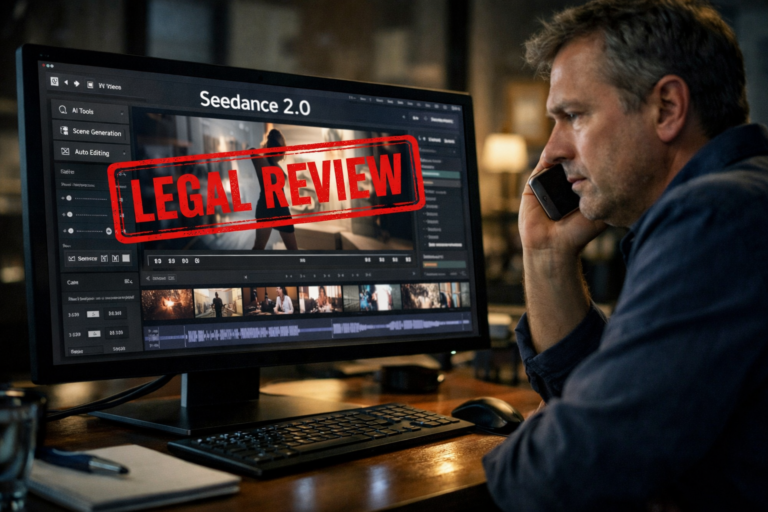
OpenAI is set to further blur the lines between different forms of media by bringing its highly acclaimed Sora video generator into the heart of ChatGPT. According to reports from The Information, the company is preparing to allow users to generate short video clips directly within their chat conversations. This move follows the successful launch of Sora as a standalone application in late 2025, which introduced a social-media-style feed for AI-generated videos.
The integration is a strategic maneuver to consolidate OpenAI’s various AI capabilities into a single, unified platform. By embedding Sora into ChatGPT, the company makes high-end video synthesis as simple as sending a text message. Users will no longer need to switch between specialized tools to create content; instead, they can iterate on video ideas in real-time within the same interface they use for research, coding, and image generation. This “all-in-one” approach is designed to increase user retention and solidify ChatGPT’s position as the primary operating system for AI-driven creativity.
Background: The Evolution of OpenAI and the Video AI Race
OpenAI, founded in 2015 as a non-profit research lab before transitioning to a “capped-profit” model, has consistently been at the forefront of the generative AI revolution. Its release of ChatGPT in late 2022 sparked a global arms race in large language models (LLMs). Since then, the company has aggressively expanded its portfolio, moving from text to images with DALL-E, and eventually to video with Sora. Under the leadership of CEO Sam Altman, OpenAI has secured billions in funding, primarily from Microsoft, to build the massive compute infrastructure required to train and run these sophisticated models. The company’s goal is to achieve Artificial General Intelligence (AGI), and multimodal integration is seen as a critical milestone on that path.
The competitive landscape for text-to-video AI has intensified rapidly throughout 2025 and early 2026. Meta has been refining its Movie Gen platform, while Google continues to advance its Veo model within the Gemini ecosystem. Meanwhile, startups like Runway and Luma AI have built dedicated followings among professional creators. By integrating Sora into ChatGPT, OpenAI is leveraging its massive existing user base—estimated to be in the hundreds of millions—to maintain its market dominance. This move forces competitors to not only match OpenAI’s technical quality but also its seamless user experience and accessibility.
Industry Implications
Industry analysts suggest that this integration could fundamentally change how digital content is produced and consumed. For social media managers, educators, and casual creators, the ability to generate illustrative videos on the fly within ChatGPT lowers the barrier to entry for high-quality video production. However, it also raises ongoing questions regarding AI ethics, copyright, and the potential for deepfakes, challenges that OpenAI continues to navigate as Sora’s reach expands.