California’s AV Ban Lifts: Aurora and Kodiak Move Driverless Trucks to Home-State Highways
TL;DR: Aurora Innovation and Kodiak AI received California DMV permits to test autonomous heavy-duty trucks on public roads following April’s regulatory update. Both companies are shifting operations from Texas, signaling accelerated commercialization despite active union litigation.
Regulatory Breakthrough Opens $800B+ Trucking Market
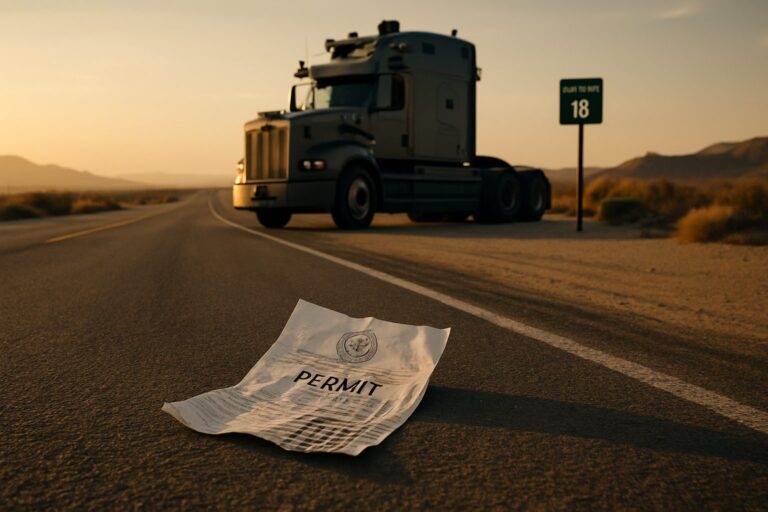
The California Department of Motor Vehicles’ April 28 approval to permit driverless vehicles over 10,000 pounds marks the first material policy reversal for autonomous trucking in the state’s regulatory framework. Kodiak AI has already begun operations with test trucks near its Mountain View headquarters, while Aurora holds permits for deployment. This pivot matters because California represents both the largest logistics hub and regulatory bellwether in North America—operators and investors now have clearer deployment pathways for commercial-scale operations.
Operational Shift: From Texas Exile to California Operations
Until the regulatory change, both Aurora and Kodiak focused entirely on Texas operations due to California’s prior ban on driverless heavy-duty vehicles. Aurora launched its Dallas-Houston service in May 2025 and has since expanded to Fort Worth-El Paso, El Paso-Phoenix, and Laredo-Dallas routes. Kodiak began commercial operations in January 2025 within West Texas’s Permian Basin before expanding to on-highway Dallas-Houston logistics.
The California permits now allow these companies to test closer to home while maintaining momentum on their Texas corridors. This geographic diversification reduces regulatory risk concentration and enables faster iteration cycles through dual-market testing.
Compliance Requirements: Safety Framework Remains Restrictive
The DMV imposed specific operational constraints on both operators:
- Human safety operators required behind the wheel during all testing
- Prohibition on roads with posted speed limits of 25 mph or below (except direct routes)
- Vehicle registration, insurance, and safety driver qualification standards
These guardrails demonstrate regulatory caution despite approval. Full driverless operation remains conditional on demonstrated safety performance and additional DMV approvals.
Union Opposition and Legal Headwinds
The Teamsters California filed suit against the DMV last week, claiming the agency circumvented environmental and economic impact disclosure requirements. The lawsuit also alleges inadequate consideration of safety risks to other motorists.
This legal challenge reflects broader labor concerns about workforce displacement. While unlikely to overturn existing permits, sustained litigation could delay future deployment authorizations or impose additional operational constraints. Operators should factor extended permitting timelines into commercialization roadmaps.
Background: The Companies and Regulatory Timeline
Aurora Innovation is a Pittsburgh-based autonomous vehicle developer backed by Amazon, Uber, and Fidelity. The company specializes in truck automation and launched commercial service in Texas under the state’s more permissive regulatory environment, which permits driverless vehicle testing without human operators present.
Kodiak AI, a Mountain View-headquartered startup, focuses exclusively on autonomous heavy-duty vehicles for logistics. It secured venture funding from GGV Capital and others to pursue commercial Permian Basin operations before highway expansion. Both companies viewed California’s ban as a critical market access limitation rather than a permanent regulatory posture.
California’s April 28, 2026 DMV rule update followed years of advocacy from autonomous vehicle developers arguing that testing restrictions hindered domestic innovation competitiveness. The change lifted the de facto prohibition on driverless vehicles exceeding 10,000 pounds and established formal permitting criteria, creating the first scalable pathway for heavy-duty autonomous deployment in the state.
The regulatory reversal reflects growing confidence in autonomous truck safety data and political recognition that California risks ceding logistics automation leadership to Texas and other jurisdictions. However, the Teamsters lawsuit signals sustained labor opposition to deployment acceleration, potentially extending permitting timelines for subsequent operators.
What This Means for Investors and Operators
California’s regulatory shift validates the autonomous trucking thesis and removes geographic concentration risk from Texas-only operations. For investors, this increases visible commercialization timelines and reduces policy uncertainty premiums in valuations. For logistics operators and fleet managers, dual-market testing enables more aggressive cost modeling and route optimization planning.
Execution risk remains material: union litigation, safety incidents, or state legislative action could reverse or constrain permits. Monitor DMV permit expansions and lawsuit developments closely for signals on broader deployment velocity.