a16z’s $1.1B Machine Age Fund Signals Shift: Hardware Now Central to AI Economics
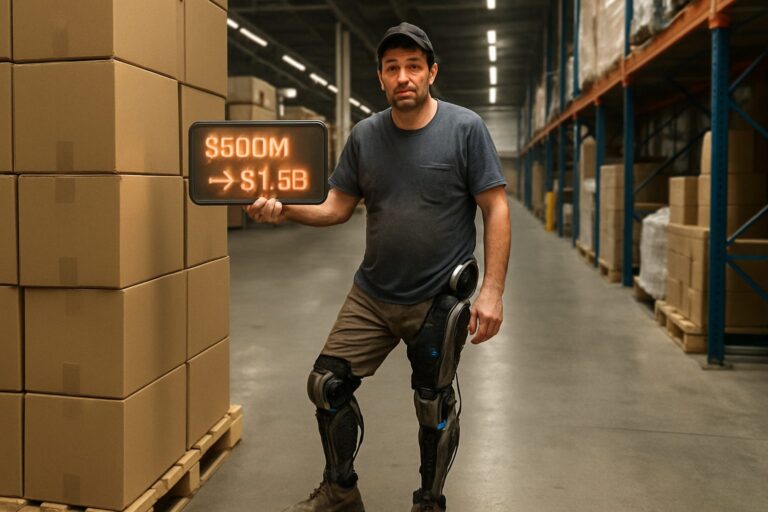
TL;DR: Andreessen Horowitz launched a $1.1 billion “Machine Age” fund targeting physical AI infrastructure—chips, memory, data centers, and robotics—marking a strategic pivot from pure software plays toward the capital-intensive hardware stack constraining AI deployment.
The Capital Reallocation: Why Hardware Matters Now
a16z’s new $1.1B Machine Age fund represents a material shift in how top-tier VCs view AI advancement. The move signals that software-only models hit diminishing returns; the actual constraint is physical infrastructure.
This reallocation matters operationally: hardware bottlenecks—memory bandwidth, interconnect speeds, thermal management, power distribution—now limit model deployment velocity more than algorithmic innovation. a16z is betting capital where the friction actually exists.
What the Fund Actually Targets
The capital encompasses four critical layers:
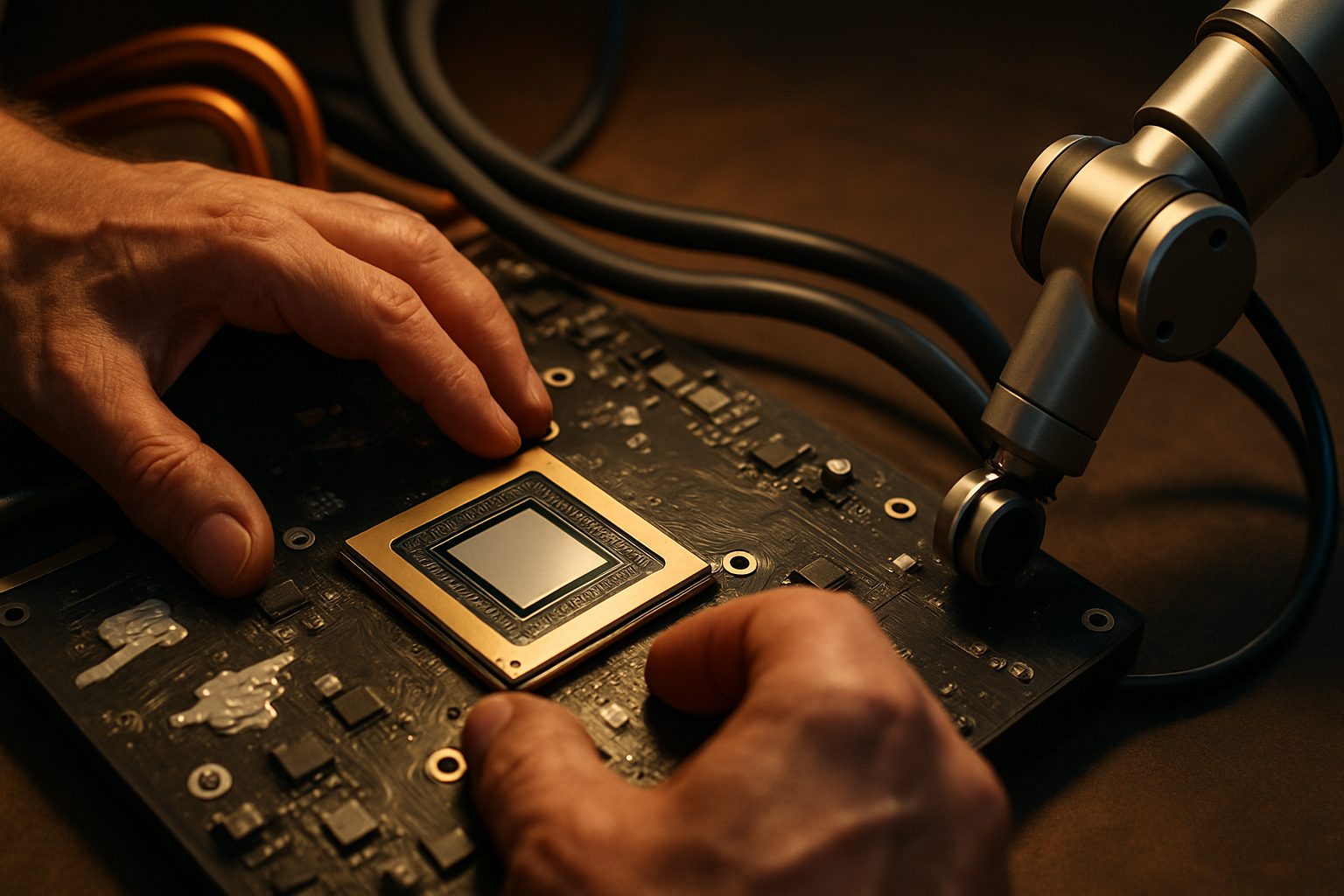
- Compute silicon and specialized processors
- Memory hierarchy (faster, cheaper, higher-bandwidth components)
- Interconnect infrastructure (node-to-node scaling)
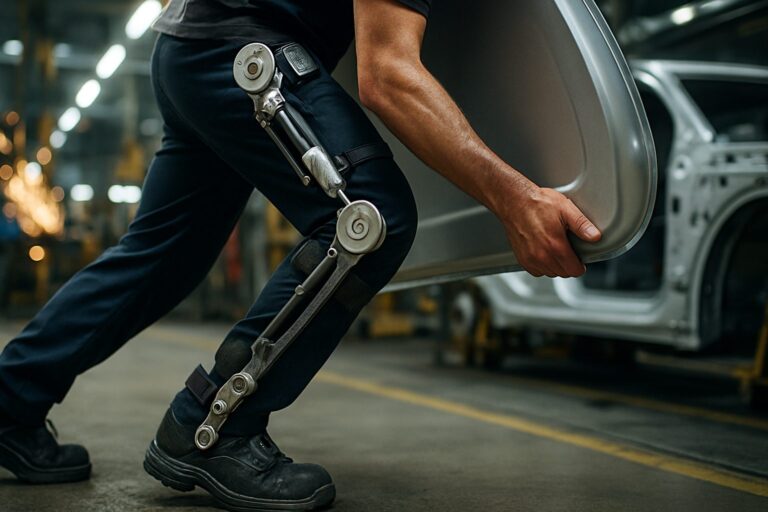
- Edge devices and robotics for real-world AI deployment
- Supporting systems: cooling, materials science, electrical infrastructure, real estate
This breadth reveals a16z’s thesis: AI isn’t bottlenecked at one point—it’s a systems problem requiring parallel innovation across the entire stack.
Background: The Players and Context
Andreessen Horowitz is a mega-fund with $45B+ in AUM. Founded in 2009 by Marc Andreessen and Ben Horowitz, a16z built its reputation on early bets in cloud (Airbnb, Slack, Figma). The firm typically focuses on software scaling economics, making the hardware pivot noteworthy.
The AI infrastructure market has exploded since 2022. Nvidia dominates GPU supply; competitors like AMD and Intel are accelerating; startups pursue custom silicon (Cerebras, Graphcore, SambaNova). Yet memory, interconnect, and packaging remain bottlenecks that even Nvidia struggles to solve alone.
The robotics sector is entering a critical inflection. Companies like Boston Dynamics, Tesla’s bot initiatives, and warehouse automation startups are productionizing AI-driven physical systems. These require edge compute, specialized sensors, and real-time inference—distinct from data-center workloads.
Power and thermal management have become first-order constraints. Training GPT-scale models consumes 100+ MW facilities. Inference at scale requires efficient edge processors. a16z’s inclusion of “cooling, materials, electrical, and real estate buildout” signals awareness that physics, not just algorithms, limits scalability.
Strategic Implications for Operators and Investors
This fund deployment has three immediate signals:
1. Hardware startups just got more bankable. Custom silicon, advanced packaging, and cooling tech startups face less skepticism when pitching to a16z. Expect increased deal flow in materials science and power electronics.
2. Vertical integration accelerates. Large AI labs (OpenAI, Anthropic, Google) may accelerate in-house hardware development. If a16z sees hardware ROI, so do they. This increases semiconductor fragmentation and reduces reliance on Nvidia’s hegemony.
3. Geography matters differently now. Data center real estate, chip fabrication access, and supply chain proximity become competitive moats. Expect geographic clustering around TSMC, Samsung, and Intel production.
The Implicit Thesis
a16z’s framing—calling AI advancement a “social and national imperative”—hints at longer time horizons and possibly different return expectations than typical VC. $1.1B for hardware infrastructure often means 7-10 year horizons, lower velocity exits, and higher capital intensity. This is patient capital.
The fund essentially bets that AI’s next productivity gain requires physical buildout, not just algorithmic improvement. Software scales with server capacity. AI at scale requires rearchitecting that capacity from the transistor up.
What to Watch
Monitor a16z’s first 10-15 Machine Age investments closely. They’ll reveal where the firm sees the highest ROI: Is it custom silicon? Edge robotics? Thermal solutions? The portfolio composition will clarify which hardware bottlenecks a16z believes are most solvable—and most valuable.
Also track whether other mega-funds (Sequoia, Benchmark, Accel) announce similar hardware-focused vehicles. If this stays a16z anomaly, it’s bold conviction. If it becomes a wave, hardware infrastructure just became a core AI investment thesis.
About the Author