Tesla’s Optimus Pivot Hits Reality: Worker Resistance and Hardware Complexity Threaten Robot Scale
TL;DR
Tesla faces production bottlenecks and workforce pushback as it scales Optimus humanoid robots, with complex hand assembly and unreliable sensors delaying its 1,000-units-per-week target. The shift reveals fundamental challenges in general-purpose robotics that extend beyond AI capabilities.
The Core Problem: Training Data Meets Workforce Friction
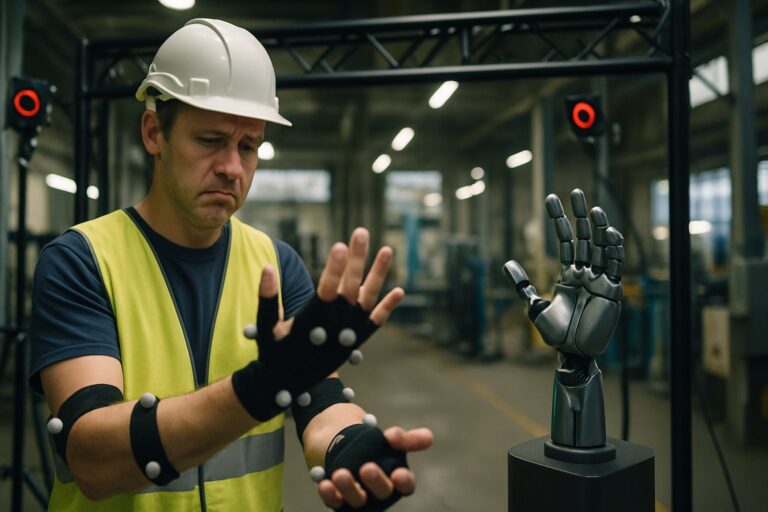
Tesla’s bet-the-company pivot toward humanoid robots is colliding with operational reality. According to Ars Technica’s reporting on The Information’s investigation, factory workers in Texas and California are resisting participation in motion-capture training programs—specifically because they recognize these systems are designed to eliminate their roles.
This friction exposes a critical dependency: Tesla needs massive volumes of imitation-learning data to train Optimus, yet the most efficient source—existing workers—now has perverse incentives. The company’s response—shifting data collection to dedicated training teams—adds cost and potentially degrades data quality.
Hardware Bottlenecks Underscore Manufacturing Reality
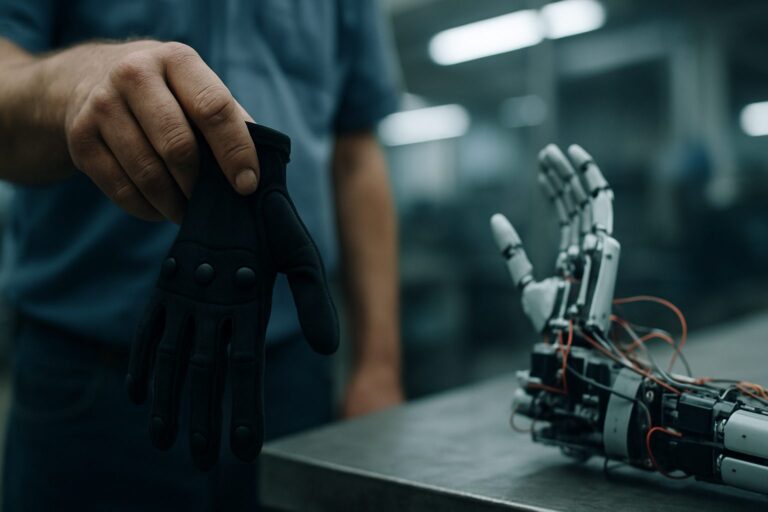
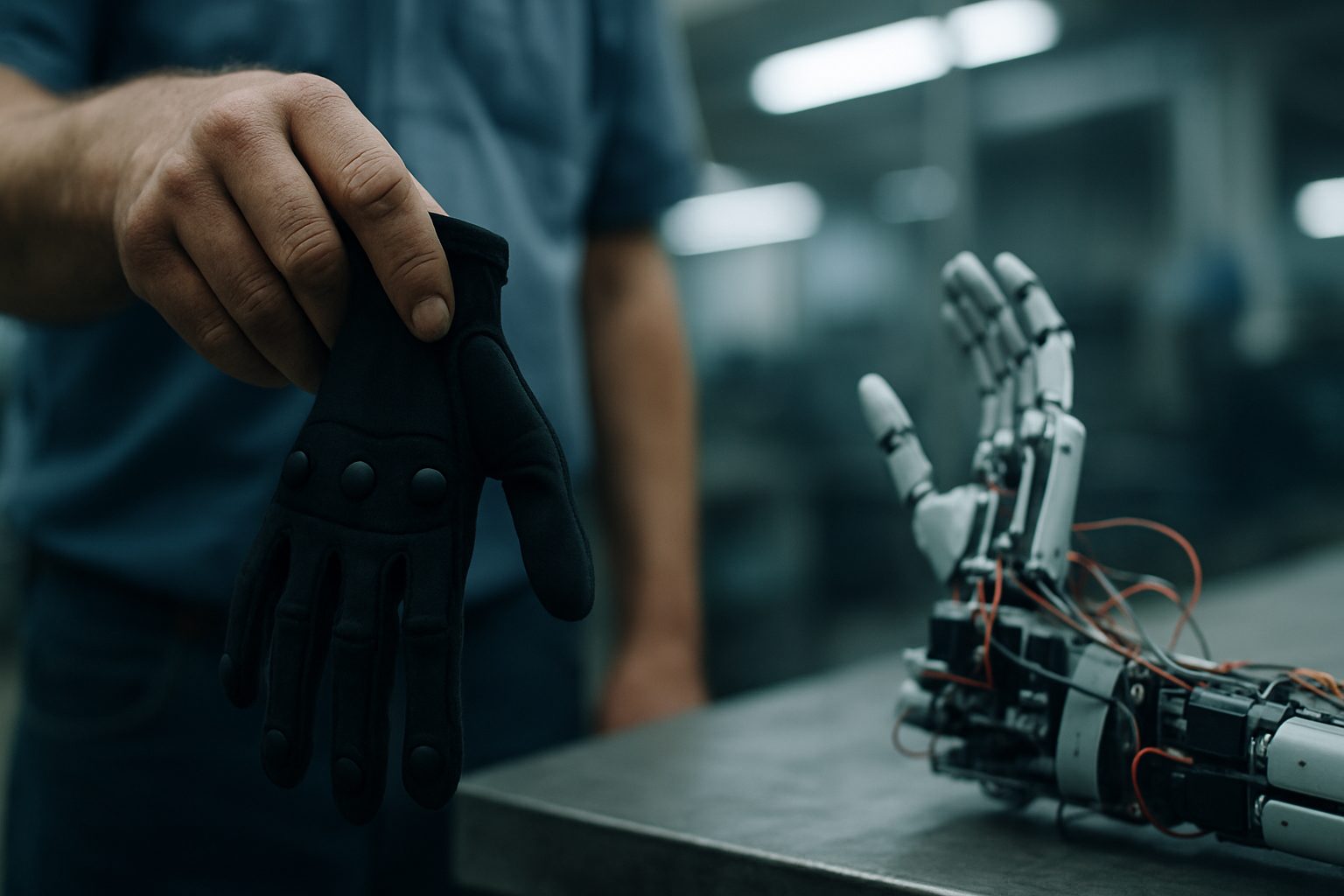
The Optimus V3’s hands are engineering nightmares disguised as robotics breakthroughs. Each hand requires manual assembly of 100+ components, creating immediate post-production defects that demand rework. Tesla’s addition of a replaceable sensor glove layer suggests the original finger-sensor design failed durability thresholds.
Production-line precision alignment remains problematic. Tesla claims hundreds of robots weekly but targets 1,000 units per week by year-end—a 5x acceleration with unresolved component-matching issues. This is not a timeline problem; it’s a systems integration problem.
AI Capabilities Lag Behind Marketing Claims
Optimus currently requires task-specific programming in controlled environments—the opposite of Elon Musk’s “biggest product ever” narrative. General-purpose operation remains elusive across the entire robotics industry, making Tesla’s claims about autonomous deployment unrealistic on current timelines.
The gap between imitation learning from human demonstrations and genuine task generalization remains vast. Tesla’s heavy reliance on this approach suggests the company lacks proprietary breakthroughs in sim-to-real transfer or multi-task learning.
Background: Tesla’s Robot Ambitions and Market Context
Tesla’s Strategic Shift. In May 2026, Tesla discontinued Model S and Model X production at its Fremont facility to consolidate resources around Optimus development. CEO Elon Musk has positioned humanoid robots as Tesla’s primary growth vector, describing them as potentially the company’s most valuable product category. This pivot represents an existential bet: abandoning mature automotive revenue streams for speculative robotics.
The Optimus Program. Optimus development spans multiple generations, with V3 representing the current production-focused iteration. The robot targets general-purpose manipulation in human environments—significantly more ambitious than specialized industrial arms used in manufacturing for decades. Tesla’s approach emphasizes AI-driven autonomy and imitation learning from human workers.
Industry Competition. Tesla is not alone in pursuing humanoid robots. Competitors including Boston Dynamics, Figure AI, and established automation firms are pursuing similar paths, each with different architectural choices and funding profiles. The race carries implicit assumptions about the viability of bipedal, human-form-factor robots versus task-optimized alternatives.
Labor Market Implications. Worker resistance to training replacement systems reflects rational self-interest and highlights a broader tension: automating processes requires data from people threatened by that automation. Regulatory and reputational pressures around workforce displacement are likely to intensify as deployment scales.
Investment Signal: Execution Risk Underpriced
Tesla’s robot pivot carries substantially higher execution risk than financial markets appear to value. Hardware complexity, manufacturing yield problems, and AI capability gaps suggest multi-year delays to meaningful commercial deployment. The workforce friction adds unexpected operational friction that dedicated robotics startups can avoid.
The 1,000-unit-per-week target by year-end 2026 appears aspirational given reported production-line challenges. Reaching that volume requires solving precision-alignment problems and component-assembly reliability simultaneously—neither appears close to solved.
What Matters Next
- Manufacturing yield rates: Can Tesla achieve defect-free assembly at scale, or does Optimus require continuous rework?
- Task deployment breadth: Will Optimus move beyond controlled environments and specific programming into genuine multi-task operation?
- Workforce stability: Can Tesla retain and effectively deploy training teams when core employees understand they’re being systematically replaced?
- Competitive response: How do pure-play robotics firms with higher autonomy-per-robot respond to Tesla’s scale advantages?
The narrative of inevitable robot adoption meets the practical constraints of current manufacturing and AI capabilities. Tesla’s ability to navigate this gap will determine whether Optimus becomes a genuine business or an expensive capital allocation mistake.
About the Author