Nvidia’s $13B Hugging Face Acquisition Threatens Frontier AI Independence
TL;DR
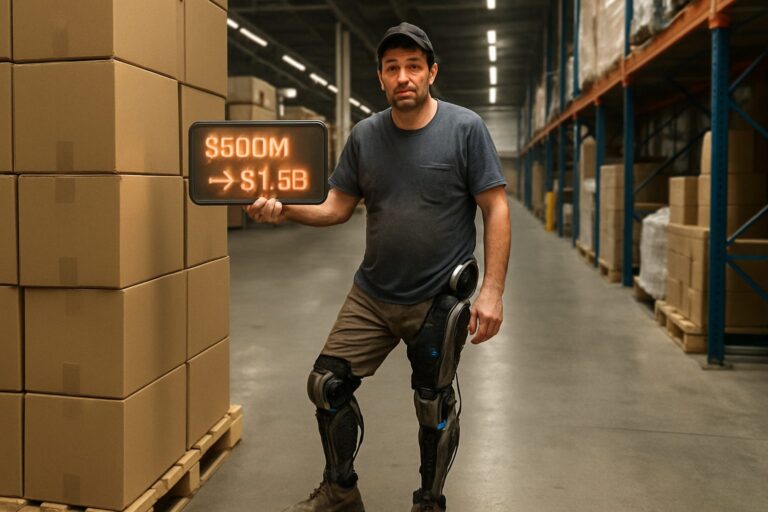
Nvidia is acquiring Hugging Face for $12.9 billion, consolidating control over the open-weight AI model ecosystem just as frontier labs seek hardware independence. The deal locks in Nvidia’s leverage over alternative AI development paths.
The Strategic Chokepoint
Nvidia’s reported $12.9 billion acquisition of Hugging Face represents vertical integration of unprecedented scope—controlling both the chips and the distribution platform for alternative AI models. As Ars Technica reports, both parties are actively negotiating, though the deal remains unfinalized.
The calculus is transparent: OpenAI, Anthropic, and others are building proprietary silicon to escape Nvidia’s hardware tax. Acquiring Hugging Face—the de facto hub for open-weight model distribution—gives Nvidia leverage to recapture that defecting workload.
What Hugging Face Represents
Founded in 2016, Hugging Face operates as GitHub for AI models. Researchers and engineers download, fine-tune, and contribute variants of large language models and increasingly, robotics-focused models. The platform hosts hundreds of thousands of public and private models.
Critically, Hugging Face is not yet profitable but holds enormous strategic value. Its network effects—millions of developers, researchers, and enterprises converging on a single platform—make it essential infrastructure for the open-weight movement.
Other Bidders and Prior Investment
Salesforce competed for Hugging Face, but Nvidia’s existing stake and ecosystem position proved decisive. Google and Microsoft had also invested, underscoring how every major cloud platform recognized Hugging Face’s chokepoint value.
Nvidia’s Deteriorating Cloud Business
Nvidia previously launched its own cloud AI service but struggled to gain traction. Acquiring Hugging Face provides a distribution moat that internal development never achieved. Users downloading models directly from Nvidia’s platform face natural incentives to optimize for Nvidia hardware.
This is not accidental. Nvidia explicitly supports open-weight models as competitive alternatives to closed proprietary systems. By owning the distribution layer, Nvidia converts that philosophical alignment into commercial leverage.
The Robotics and Physical AI Angle
Hugging Face has rapidly expanded beyond language models into robotics and embodied AI applications—precisely where Nvidia already dominates through GPUs and specialized accelerators like the Jetson platform.
Combining Hugging Face’s model repository with Nvidia’s robotics hardware stack creates a closed ecosystem that competitors cannot easily penetrate. Early-stage robotics companies will naturally adopt Nvidia silicon when their preferred models are distributed through Nvidia’s infrastructure.
Regulatory and Competitive Concerns
The acquisition illustrates why frontier AI labs are building alternative hardware. If OpenAI, Anthropic, and others cannot trust the infrastructure layer to remain neutral, they must own it. Nvidia’s move validates their fears while simultaneously accelerating the shift toward specialized hardware.
Antitrust scrutiny appears minimal given current regulatory appetite, but the precedent is stark: one hardware vendor now controls silicon, cloud services, and the open-source distribution platform for its competitors’ model alternatives.
What Happens Next
- Model optimization: Hugging Face could subtly optimize for Nvidia hardware in its infrastructure and defaults.
- Pricing pressure: Expect higher hosting costs for non-Nvidia deployments.
- Acceleration of alternatives: Other open-source model hubs and federated platforms will receive increased investment and developer attention.
- Hardware diversification: Frontier labs and major cloud providers will expedite non-Nvidia silicon development.
The Broader Pattern
This acquisition is not about profitability—Hugging Face remains unprofitable. It’s about preventing the emergence of a neutral, vendor-agnostic AI infrastructure layer. By acquiring it, Nvidia ensures that alternative AI development paths remain dependent on Nvidia’s goodwill and hardware.
The deal closes a strategic gap in Nvidia’s position. Chips alone no longer guarantee lock-in when competitors control the software layer. Now Nvidia controls both.
About the Author