TL;DR:
* ByteDance has suspended the worldwide release of its Seedance 2.0 video AI model following intense copyright disputes.
* The delay stems from allegations by the Motion Picture Association (MPA) that the model was trained on copyrighted Hollywood content without authorization.
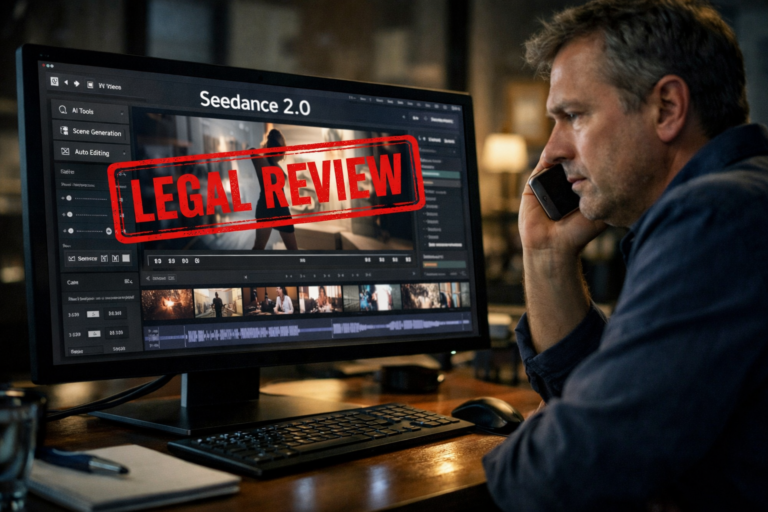
* Seedance 2.0 was originally slated for a mid-March global debut but is now under extensive legal review.
* The suspension highlights the growing friction between AI developers and the entertainment industry over intellectual property rights.
* This move follows similar regulatory and legal challenges faced by other AI giants like OpenAI and Meta.
Hollywood vs. ByteDance: The Seedance Standoff
ByteDance, the parent company of TikTok, has hit a major roadblock in its quest to dominate the generative AI space. The company announced it is halting the global rollout of Seedance 2.0, its highly anticipated text-to-video AI model. The decision comes after the Motion Picture Association (MPA) raised significant concerns regarding the data used to train the system.
According to reports from *The Information*, the MPA and several major studios argue that Seedance 2.0 was deliberately trained on vast amounts of copyrighted cinematic material without licensing agreements. The resulting AI-generated videos reportedly bore striking resemblances to protected AI ambitions. The model was designed to compete directly with OpenAI’s Sora and Kling AI, offering high-fidelity video generation for creators and brands. ByteDance had initially planned a mid-March launch, but those plans are now on indefinite hold as legal teams review the training datasets.
Background: A Global Tech Powerhouse Under Scrutiny
ByteDance, founded in 2012 by Zhang Yiming, has evolved from a Beijing-based startup into one of the world’s most valuable private technology companies. Its flagship product, TikTok, revolutionized short-form video content and became a cultural phenomenon with over one billion monthly active users. However, this success has come with intense regulatory scrutiny, particularly in the United States, where concerns over data privacy and national security have led to ongoing legal battles and potential bans. In recent years, ByteDance has pivoted aggressively toward artificial intelligence, seeking to integrate generative models across its platforms to maintain its competitive edge against Western rivals.
The Motion Picture Association (MPA), representing major Hollywood studios like Disney, Warner Bros., and Universal, has historically been the frontline defender of intellectual property in the digital age. From fighting online piracy to negotiating licensing deals with streaming services, the MPA ensures that the creative output of the film and television industry is protected. The rise of generative AI presents a new and unprecedented challenge. Unlike traditional piracy, AI models “ingest” content to learn and replicate styles, a process that studios argue constitutes a massive, unauthorized use of their creative archives. This latest clash with ByteDance is part of a broader industry-wide effort to establish legal precedents that would require AI developers to pay for training data, fundamentally altering the economics of AI development.
Industry Implications
Industry analysts suggest that this pause reflects a broader trend of increased scrutiny on AI training practices. “The era of ‘move fast and break things’ in AI training is ending,” says one security researcher. “Companies now have to prove they are operating within legal boundaries before they can launch products at this scale.”